
Choosing the 2026 best Toilet Bowl Wall Mounted models requires more than comparing prices or showroom photographs. Global buyers must examine flushing performance, frame strength, water consumption, installation access, and replacement-part availability. A concealed cistern may create a clean bathroom, but hidden problems can become expensive when service access is poor.
Richard Trethewey, a recognized plumbing and heating expert, offers a practical reminder: “Good plumbing design should make maintenance easier, not harder.” This principle matters when selecting a wall-mounted toilet for apartments, hotels, hospitals, and residential developments. Behind the finished wall, the carrier frame must support daily loads without movement. The flush valve should remain accessible. The bowl should align securely with the finished floor height.
Details matter.
This guide compares leading Toilet Bowl Wall Mounted options for international buyers in 2026. It considers ceramic quality, rim design, flushing systems, installation standards, comfort height, noise levels, and supplier support. It also reviews practical concerns, including uneven bathroom walls, different water pressures, and regional plumbing connections.
No product suits every market. That is the uncomfortable part. A premium model may perform poorly when local installers cannot obtain compatible parts. A budget model may appear attractive until mounting hardware fails or the flush system becomes difficult to repair. Buyers should verify technical drawings, certifications, warranty terms, and after-sales service before ordering.
The strongest choice is not always the most expensive one. It is the model that remains stable, hygienic, serviceable, and dependable after installation.
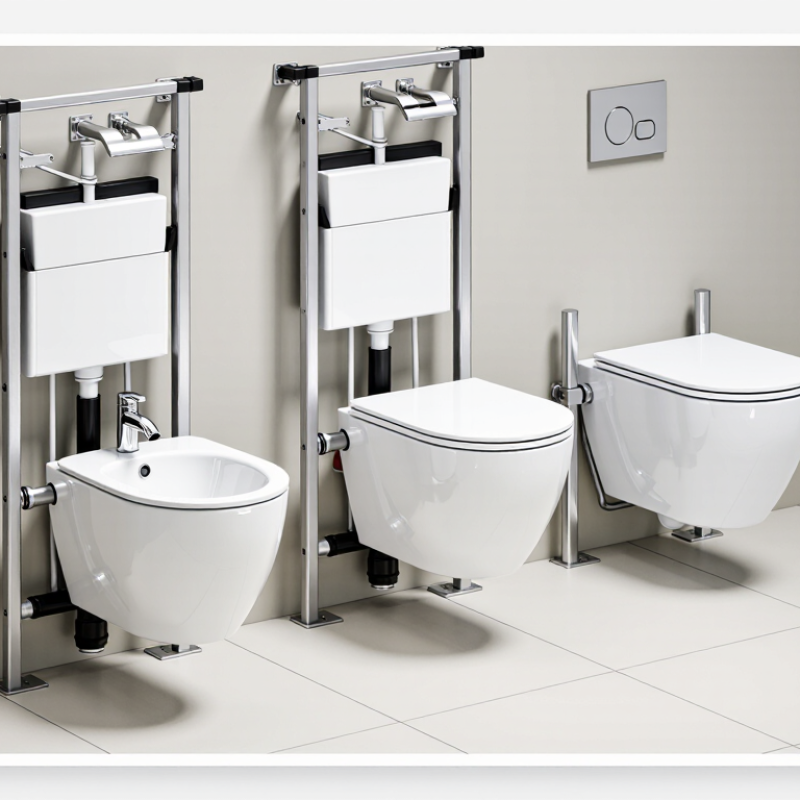
A wall mounted toilet is fixed to a strong support frame inside the wall. Unlike a floor mounted model, its ceramic bowl does not rest directly on the bathroom floor. The concealed frame carries the user’s weight and connects the bowl to the water supply and waste pipe. A flush plate usually sits above the bowl. Behind it, a concealed cistern releases water through the flush valve.
When the flush button is pressed, water enters the bowl through rim openings or directed jets. The water pushes waste into the drain pipe by gravity. Some systems use pressure assistance, but performance depends on pipe design, water pressure, and installation quality. The wall cavity must provide enough depth for the frame and cistern. A qualified installer should check the wall structure, drainage angle, and service access before fitting.
The open floor makes cleaning easier. It also allows adjustable bowl height, which helps households with different mobility needs. However, repairs can become inconvenient if the access opening is poorly planned. The flush plate may provide access, but not every internal part is equally easy to reach. I would not treat the concealed design as maintenance-free. In humid rooms, hidden leaks can remain unnoticed longer. Buyers in 2026 should compare frame load ratings, replacement part availability, water pressure requirements, and local plumbing compatibility. A beautiful installation can still perform poorly when these practical details are ignored.

For global buyers, the best wall mounted toilet bowl is not chosen by appearance alone. A clean, floating design can still perform poorly if its concealed frame is weak or poorly fitted. Compare the bowl’s weight rating, mounting structure, and compatibility with the in-wall tank before ordering. The frame should feel stable after installation, with no movement around the fixing points.
Flushing performance deserves careful attention. Check the flush volume, water pressure range, and resistance to clogging. A powerful flush is useful, but excessive noise may be unpleasant in a small bathroom. Ask for test data rather than relying on attractive product descriptions. Smaller bathrooms also need precise measurements, including projection from the wall and the position of the waste outlet. A few centimeters can affect door clearance.
Maintenance is another practical comparison point. Look for a removable actuator plate and accessible internal parts. These details make valve repairs less disruptive. Rimless bowls are often easier to clean, but their performance depends on water distribution and installation quality. Do not assume every model suits every plumbing system. Verify local water-efficiency, load, and building requirements with a qualified installer. Some buyers focus too much on ceramic finish and overlook seat hinges, insulation, or replacement parts. That is an easy mistake. A slightly imperfect-looking option with dependable service access may be the wiser long-term choice.
| Comparison Item | Compact Rimless | Standard Rimless | Comfort-Height Rimless | Short-Projection Heavy-Duty | Bidet-Compatible Bowl | Accessible Elongated Bowl |
|---|---|---|---|---|---|---|
| Recommended use | Small bathrooms, apartments and guest washrooms | General residential and hospitality projects | Users who prefer a higher seating position | High-traffic residential or commercial interiors | Bathrooms requiring a compatible washlet or bidet seat | Universal-design and accessibility-focused projects |
| Bowl shape | Compact elongated | Elongated | Elongated | Compact elongated | Elongated | Elongated |
| Typical overall width | 355–370 mm | 360–380 mm | 365–385 mm | 355–380 mm | 365–390 mm | 370–400 mm |
| Typical projection from finished wall | 480–520 mm | 520–560 mm | 530–570 mm | 480–510 mm | 530–580 mm | 540–590 mm |
| Typical bowl height | 320–360 mm | 350–380 mm | 390–430 mm | 350–380 mm | 350–390 mm | 400–450 mm |
| Common rough-in options | 180 mm or 230 mm | 180 mm or 230 mm | 180 mm or 230 mm | 180 mm or 230 mm | 180 mm or 230 mm | 180 mm or 230 mm |
| Material | Vitreous china | Vitreous china | Vitreous china | Vitreous china | Vitreous china | Vitreous china |
| Rim design | Open or rimless washdown | Rimless washdown | Rimless washdown | Rimless washdown | Rimless washdown | Rimless washdown |
| Typical flushing options | Dual flush, 3/4.5 L or 3/6 L | Dual flush, 3/4.5 L or 3/6 L | Dual flush, 3/4.5 L or 3/6 L | Dual flush, 3/4.5 L or 3/6 L | Dual flush, 3/4.5 L or 3/6 L | Dual flush, 3/4.5 L or 3/6 L |
| Water-saving potential | High with a compatible dual-flush cistern | High with a compatible dual-flush cistern | High with a compatible dual-flush cistern | High with a compatible dual-flush cistern | High with a compatible dual-flush cistern | High with a compatible dual-flush cistern |
| Seat compatibility | Compact seat; check hinge spacing | Standard elongated seat | Standard elongated seat | Short elongated seat | Bidet-seat ready; confirm power and water connections | Elongated seat with side-transfer clearance |
| Installation requirement | Concealed carrier frame and in-wall cistern required | Concealed carrier frame and in-wall cistern required | Concealed carrier frame and in-wall cistern required | Reinforced carrier frame recommended | Carrier frame, in-wall cistern and nearby electrical provision | Reinforced carrier frame and accessibility-compliant layout |
| Cleaning and maintenance | Easy-clean surface; limited access under bowl | Easy-clean rimless design; open floor area | Easy-clean rimless design; open floor area | Easy-clean surface; prioritize service access | Easy-clean surface; allow access to electrical components | Easy-clean surface; open floor simplifies cleaning |
| Key buying checks for global projects | Verify local rough-in, seat size and water-pressure requirements | Verify outlet position, flush volume and carrier-frame compatibility | Confirm finished seat height after tile and floor levels | Confirm tested load rating and wall-frame reinforcement | Check seat dimensions, electrical voltage and concealed water supply | Check local accessibility rules, seat height and clear transfer space |
Note: Dimensions and flush volumes are typical market ranges for wall-mounted toilet bowls. Confirm the manufacturer’s technical drawing, local plumbing code, carrier-frame load rating and water-efficiency requirements before purchase.
Top Wall Mounted Toilet Bowl Types for Global Buyers
Wall mounted toilet bowls suit compact bathrooms because the cistern hides inside the wall. The visible floor stays open and cleans quickly. Three types dominate international projects: standard wall-hung bowls, rimless bowls, and integrated bidet models. Standard bowls offer simpler maintenance. Rimless designs improve flushing coverage and reduce hidden ledges. Integrated bidet bowls add washing functions, heated seats, and electronic controls. They also need electricity and more technical support.
Discharge direction matters. Horizontal rear-discharge bowls connect through a concealed carrier frame and suit many modern layouts. Vertical or floor-linked configurations may fit renovation projects with existing drainage. Buyers should verify pipe diameter, outlet height, carrier load rating, and access-panel dimensions before ordering. A beautiful bowl can still fail when the rough-in measurement is wrong. Space matters.
Water performance deserves evidence, not marketing language. The WHO/UNICEF Joint Monitoring Programme reported that 3.5 billion people lacked safely managed sanitation in 2022, making durable, efficient products important for expanding urban housing. The U.S. EPA WaterSense specification limits qualifying toilets to 1.28 gallons per flush, or about 4.8 litres. Local standards may differ. Confirm certification in the destination market.
For global buyers, ceramic quality, replacement parts, and flush-button compatibility often matter more than appearance. Rimless bowls can show splash issues when hydraulic design is weak. Integrated models can become difficult to repair without trained technicians. That trade-off is easy to underestimate. Select the bowl, carrier, cistern, and actuator as one tested system, rather than mixing components only because their dimensions look similar.
Choosing the right wall mounted toilet starts with your bathroom’s structure, not its appearance. Measure the wall cavity, drain position, and available service space before comparing toilet bowls. A concealed frame must support the user’s weight and match local plumbing requirements. Ask a qualified installer to confirm pipe sizes, water pressure, and maintenance access.
A shorter bowl can improve movement in a compact bathroom. A longer bowl may offer better comfort for taller users. Check the seat height carefully, especially for children, older adults, or people with limited mobility. Rimless designs can simplify cleaning, but flushing performance still depends on water flow and bowl shape. My first checklist focused too much on style. That was a mistake.
Tips: Choose a compatible concealed cistern and frame. Confirm the rough-in measurement before ordering. Request installation drawings from the supplier. Check ceramic dimensions in millimeters, not photographs. Leave access for valves and repairs. Test the sample seat if possible.
Global buyers should also review certification requirements in the destination market. Materials should resist staining, cracking, and repeated cleaning. Soft-close hinges are useful, but replacement parts matter more over time. A quiet flush is pleasant. Reliable service is better. Be careful with unusual dimensions, because a small mismatch can delay installation and increase labor costs.
A wall mounted toilet starts with the carrier frame, not the bowl. Confirm the wall structure, finished floor height, waste outlet position, and available service opening before ordering. Measure twice. A small error can leave the flush plate misaligned or the seat uncomfortable. The frame should suit the wall type and support the expected load. Follow the installation manual and local plumbing requirements. Global buyers should check applicable standards, such as EN 997 or ASME A112.19.2/CSA B45.1, depending on the destination market. Certification details must match the exact model.
Waterproofing around concealed pipe connections deserves careful attention. A hidden leak may damage the wall before it becomes visible. Pressure-test the supply and drainage connections before closing the wall. Keep the shutoff valve and internal components reachable through the flush plate. This access is practical, but it is not unlimited. Some repairs still require more wall opening. That weakness should be considered.
Maintenance is usually simple when installation is precise. Clean the bowl with non-abrasive products, inspect the flush valve, and remove mineral buildup from moving parts. Check the seat hinges and flush performance every few months. Hard water changes the schedule. Buying decisions should include bowl projection, rim design, water pressure, flush volume, replacement parts, and seat availability. Ask for technical drawings, load ratings, warranty terms, and service support in the destination country. A cheaper bowl may become expensive when compatible parts are difficult to source. Local fit matters more than attractive photographs.