Choosing the right outdoor fire and pizza oven in 2026 requires more than comparing flames, prices, and glossy product photographs. Outdoor cooking has become a practical lifestyle investment, not merely a backyard decoration. Technavio’s Outdoor Cooking Equipment Market report identifies continued market growth, supported by home entertaining, garden renovation, and demand for versatile cooking appliances. The Hearth, Patio & Barbecue Association’s consumer research also shows that outdoor cooking remains deeply established in household routines across North America.
That trend creates a crowded marketplace. Gas, wood, charcoal, and hybrid ovens each produce different heat patterns, operating costs, flavors, and maintenance demands. A compact oven may reach high temperatures quickly, yet struggle with family-sized meals. A larger masonry-style model may hold heat beautifully, but require stronger foundations and more preparation. Real use matters.
This guide examines the 2026 best outdoor fire and pizza oven options through measurable criteria: maximum temperature, heat recovery, cooking surface, fuel efficiency, insulation, safety features, weather resistance, and warranty support. Manufacturer claims will be compared with available industry research and practical ownership considerations. Some recommendations may remain imperfect. No oven suits every patio, budget, or cooking habit. A beautiful flame can still hide uneven heating. That detail deserves attention.
Readers should also consider local ventilation rules, stable placement, fuel storage, and safe operating clearances before purchasing. Professional specifications help, but hands-on experience often reveals the final truth: cleaning, lighting, and temperature control determine whether an oven becomes a weekly pleasure or an expensive outdoor ornament.
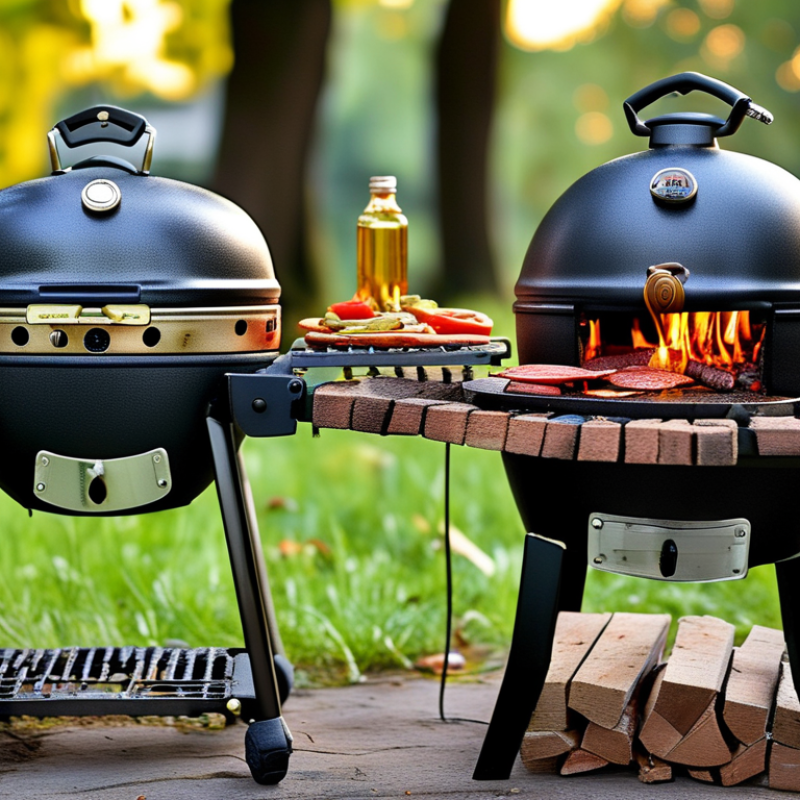
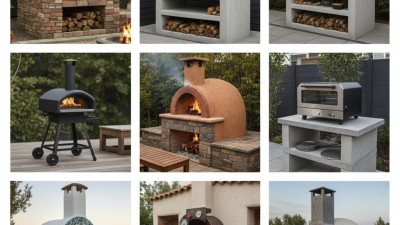
Outdoor fire and pizza ovens fall into four practical types: wood-fired, gas, electric, and dual-fuel. Wood-fired models create smoky flavor and intense heat, but they need dry storage and frequent ash removal. Gas ovens heat faster and offer steadier control. Electric ovens suit balconies or covered spaces, where local rules permit them. Dual-fuel units add flexibility, although extra parts can mean extra maintenance.
Heat retention matters more than dramatic temperature claims. A thick stone floor helps crisp the base, while insulated walls reduce fuel waste. The U.S. Department of Energy recommends checking appliance efficiency, ventilation, and installation requirements before purchase.
Measure the cooking area, too. A 12-inch pizza needs more clearance than expected. I once underestimated door space, and moving the oven became awkward.
Safety deserves equal attention. The National Fire Protection Association reported an average of 11,860 home fires involving grills each year from 2017 to 2021. Those fires caused about 15 deaths, 180 injuries, and 227 million dollars in property damage annually.
Keep any fire oven on a stable, noncombustible surface, away from walls and overhead branches. Never rely on a weather cover while the oven remains warm. A temperature gauge helps, but it can mislead when the stone stays hotter than the air. Check clearance labels, fuel connections, and local installation guidance before cooking.
2026 Best Outdoor Fire and Pizza Oven Buying Guide
Fuel choice changes heat, flavor, cost, and daily effort. The U.S. Energy Information Administration lists propane at approximately 91,452 Btu per gallon. Natural gas provides about 1,037 Btu per cubic foot. These figures reveal energy content, not real cooking efficiency. Burner design, wind, insulation, and preheating losses still matter. Gas heats predictably, while wood produces stronger radiant heat and more variable smoke. The USDA Forest Products Laboratory notes that dry wood releases roughly 8,600 Btu per pound. Damp logs waste energy evaporating water. They also create dirtier combustion.
Heating method deserves equal attention. Direct flame warms the dome quickly, but the cooking floor may lag. A thick refractory floor stores heat and improves recovery between pizzas. I check floor temperature separately from dome temperature. An infrared thermometer helps, although inexpensive models can misread shiny surfaces. The Association Verace Pizza Napoletana specifies approximately 430–480°C for traditional pizza baking. At those temperatures, a pizza can cook within 60–90 seconds. That speed demands disciplined turning and careful topping control.
My first comparison mistake was judging ovens by maximum temperature alone. Peak heat looked impressive, yet recovery weakened after three pizzas. Fuel delivery, thermal mass, and insulation affected the result more. Look for stable floor readings, fast recovery, and accessible ash or grease removal. Pellet systems can automate feeding, but moving parts require maintenance. Wood offers character, though fire management becomes part of the cooking job. Test performance with the same dough, load, and outdoor conditions. Feel matters, but measured results prevent expensive assumptions.
2026 Best Outdoor Fire and Pizza Oven Buying Guide
Outdoor cooking needs differ more than product pages suggest. The Hearth, Patio & Barbecue Association reported that 79% of U.S. households owned a grill or smoker in 2024. That figure supports a practical point: cooking frequency should guide your oven size.
A 12-inch cooking surface suits couples and compact patios. A 16-inch surface gives room for larger pizzas, vegetables, or a cast-iron pan. Families should measure the usable floor area, not the advertised exterior width. Remember fuel storage and safe clearance. Small errors become frustrating during busy dinners.
Materials affect heat retention, durability, and maintenance. Stainless steel resists corrosion and usually weighs less, while refractory stone holds steady heat for crisp crusts. Insulated ceramic construction can improve efficiency, but it may crack after sudden temperature changes. The U.S. Energy Information Administration reported that wood accounted for about 2% of total U.S. energy consumption in 2023, reminding buyers that fuel choice remains a niche, hands-on decision.
Look for adjustable airflow, a clear temperature gauge, removable stones, and stable legs. These features matter more than decorative finishes. A built-in thermometer can read air temperature, not the stone surface. I learned this the inconvenient way. An infrared thermometer is often more useful.
Market reports from Grand View Research and Fortune Business Insights project continued growth in outdoor cooking equipment, but their market definitions differ. Treat forecasts as directional, not guaranteed. Choose repairable parts, weather protection, and a size you can safely operate. Bigger is not always better.
2026 Best Outdoor Fire and Pizza Oven Buying Guide
Safety should shape the purchase before appearance or cooking capacity. Measure clearances from walls, roofs, railings, and dry plants. Measure twice. A stable, non-combustible base prevents rocking when loading heavy cookware. Keep a suitable extinguisher nearby, and never leave flames unattended. Carbon monoxide can accumulate in partially enclosed patios, even when airflow feels comfortable. Follow the appliance manual and local installation requirements. Gas connections should be inspected by a qualified professional, not improvised with spare fittings.
Installation details often decide whether daily use remains convenient. Position the oven where doors, controls, and fuel connections stay accessible. Strong wind can disturb flames and spread sparks, so a sheltered location is helpful. However, avoid tight corners that trap heat or exhaust. Leave room for turning a pizza peel and carrying hot dishes safely. The ideal location is rarely the first one chosen.
Maintenance is simple but easy to postpone. Remove ash only after it cools completely, and wipe grease from cooking surfaces regularly. Inspect stones, seals, burners, cords, and flues for cracks or blockage. Small damage can become expensive. For weather protection, use a breathable cover after the oven is fully cool and dry. Moisture trapped under a waterproof cover may encourage rust or mold. In freezing climates, protect removable parts indoors when possible. I have sometimes focused too much on cooking performance and overlooked drainage, which is a useful design lesson.
Recommended evaluation weighting for comparing outdoor fire and pizza ovens. Safety receives the highest priority, while installation, maintenance, and weather protection remain essential for reliable long-term use.
Use these percentages as a practical buying framework, then confirm required clearances, ventilation, fuel connections, cleaning procedures, and weather limits in local regulations and the product manual.
Choosing the best outdoor fire and pizza oven starts with your real cooking habits, not the lowest price. A small oven can suit weekend meals, balconies, or limited storage. However, thin insulation may waste fuel and lose heat during windy evenings. I once chose a cheaper model that needed constant reheating. The savings felt smaller after several slow dinners.
For regular cooking, spend more on heat retention, sturdy construction, and accurate temperature control. A reliable thermometer helps prevent burnt crusts and undercooked toppings. Check the cooking surface size carefully. A compact oven may fit your budget but limit larger pizzas or shared meals. Also consider fuel costs, weather protection, assembly, and replacement parts before buying. Product specifications and independent user reviews provide useful evidence, but neither replaces careful measuring at home.
Tips: Set a complete budget, including tools, cover, fuel, and delivery. Leave space for safe airflow and comfortable movement. Look for stable legs, insulated handles, and clear care instructions. A longer warranty can signal better manufacturer confidence, though it is not a guarantee. Avoid paying for features you will rarely use. Simple controls may be easier to maintain. Leave room for mistakes.