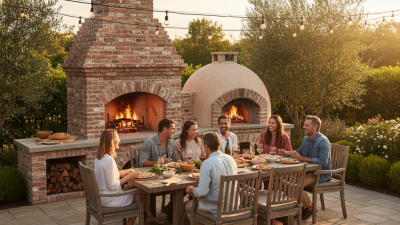
7 Best Outdoor Brick Fireplace With Pizza Oven Kits

Choosing the right outdoor brick fireplace with pizza oven requires more than attractive photographs. Heat retention, cooking space, chimney design, and weather resistance affect daily performance. A beautiful brick surround cannot compensate for a weak refractory core or poor ventilation.

This guide examines seven practical fireplace and pizza oven kits for patios, gardens, and outdoor kitchens. Each option is considered for build quality, installation demands, cooking control, maintenance, and overall value. The details matter. A thick firebrick floor can hold steady heat, while a badly sealed dome may lose warmth during a windy evening.

Real use exposes small weaknesses. Ash can collect near the oven mouth. Rain can stain untreated brick. Some kits also require more foundation work than product pages suggest. That deserves attention. Kit dimensions, fuel type, insulation, and manufacturer instructions should be checked before purchase. Local building requirements and safe clearance distances also matter.

A dependable model should support both slow fireplace warmth and high-temperature pizza baking. It should feel stable when loading wood, offer a clear cooking surface, and include materials suited to outdoor exposure. Not every attractive kit performs equally well.

These seven selections aim to make comparison easier without pretending that one design fits every home. Some prioritize traditional masonry character. Others favor quicker assembly and simpler maintenance. Your available space, cooking habits, budget, and climate will shape the best choice. Expect trade-offs. That is part of choosing well.
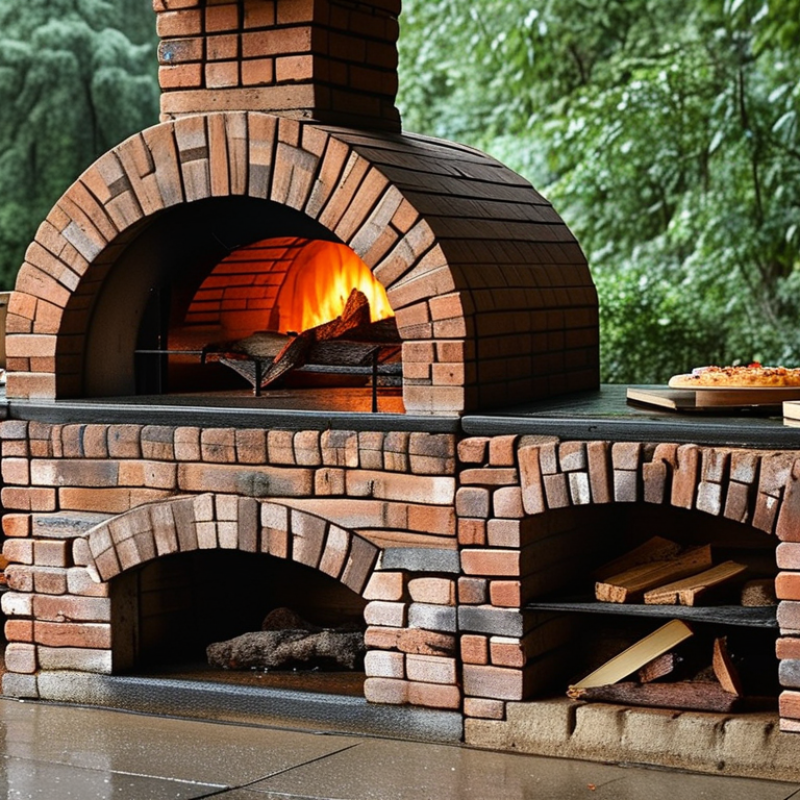
7 Best Outdoor Brick Fireplace With Pizza Oven Kits

What Makes an Outdoor Brick Fireplace With Pizza Oven Kit Stand Out

An outdoor brick fireplace with a pizza oven kit stands out when it performs like a cooking station, not merely a decorative garden feature. Real brickwork stores heat well and releases it slowly during a long evening. The oven chamber should have a properly insulated ceiling, a level cooking floor, and a door that controls airflow. Without those details, pizzas may burn underneath while the toppings remain pale.

During installation, I would check the foundation before choosing the finish. A heavy brick structure needs stable, well-drained support, especially in areas with freezing temperatures. A slight slope around the base can move rainwater away from the hearth. The chimney also matters. It should draw smoke upward without pushing it toward the seating area. Local construction requirements deserve attention here, even when the kit appears simple.

Useful kits include practical features such as a built-in thermometer, a generous ash cleanout, and a work ledge beside the oven. A thick hearth makes launching dough easier, while rounded interior corners reduce trapped soot. I once underestimated the value of nearby storage and carried firewood across a wet patio repeatedly. That mistake changed my planning. The best layout leaves space for turning dough, placing hot pans, and stepping back safely. Appearance still matters, but heat retention, drainage, ventilation, and daily usability reveal whether the fireplace earns its place outdoors.

7 Best Outdoor Brick Fireplace With Pizza Oven Kits: What Makes Them Stand Out?

This comparison rates seven common outdoor brick fireplace and pizza oven configurations on a 1–10 editorial scale. The scores reflect practical design factors such as heat retention, cooking space, weather resistance, installation simplicity, and fuel flexibility rather than brand-specific test results.

Higher scores indicate stronger performance for the listed design characteristic. Insulated firebrick interiors and well-designed chimneys generally improve heat retention and cooking consistency, while modular construction can simplify installation.

Key Features to Compare in Seven Leading Fireplace Pizza Oven Kits

Comparing seven outdoor brick fireplace pizza oven kits starts with heat performance, not appearance. A thick firebox usually stores heat longer and reduces temperature swings during baking. Check the cooking floor material carefully. Dense refractory stone handles repeated heating better than thin decorative masonry. Measure the internal oven width too. A narrow chamber may struggle with larger pizzas or cast-iron cookware.

I also compare insulation, chimney design, and access to replacement parts. Good insulation keeps the outer wall cooler and uses less wood. The chimney should draw smoke steadily without forcing heat toward the cooking area. Small details matter. Look for a fitted door, adjustable vents, and a clear ash-removal path. Some kits include a thermometer, but its position can mislead you. An infrared thermometer often gives a more useful reading across the baking surface.

Installation requirements separate the practical kits from the frustrating ones. Review the foundation depth, drainage needs, assembly weight, and curing schedule before buying. Local building rules may require specific clearances from walls or roofs. Do not assume a kit is ready after one firing. Masonry needs gradual curing to limit cracking. I would also inspect warranty language and customer service access. A beautiful oven becomes inconvenient when one damaged stone takes months to replace. No kit is perfect. Some offer stronger insulation but less cooking space, while others provide generous capacity with slower heat recovery.

Brick Types, Oven Designs, Fuel Choices, and Heat Performance

7 Best Outdoor Brick Fireplace With Pizza Oven Kits

Brick choice shapes both appearance and heat retention. Standard clay brick suits the fireplace shell, but it should not line the cooking chamber. Use refractory brick inside, because it tolerates repeated high temperatures with less cracking. Dense firebrick stores heat well, while thinner panels warm faster. In practice, thermal mass feels impressive, but it also demands patience. A heavy dome may need longer preheating before the floor reaches cooking temperature.

Oven design changes how heat moves. A low dome reflects flame across the ceiling and promotes even browning. A taller dome offers more headroom, but it can lose heat upward. Insulated walls and a tight door improve performance during cold evenings. Wood delivers strong flame flavor and high heat, yet it creates ash and needs dry, seasoned fuel. Gas offers cleaner control and quicker starts, though it may provide less smoky character. Hybrid kits can be useful, but their extra parts require careful maintenance.

Tips: Check the cooking floor with an infrared thermometer, not appearance alone. Watch for hot spots near the flame. Allow cooling before cleaning ash. Seal exterior joints against rain, but avoid trapping moisture inside. I would also leave room for mistakes; my first heat cycle would be gentler than the instructions suggest. Local ventilation and clearance rules still matter, even in a spacious backyard.

Installation Steps, Site Preparation, and Essential Safety Measures

Installing an outdoor brick fireplace with a pizza oven begins with the site, not the kit. Choose a level area away from wooden fences, overhanging branches, fuel storage, and busy walkways. Check local building rules before excavation. A failed inspection can mean costly rebuilding.

Remove organic soil and compact the subgrade firmly. Add a drainage layer, then pour a reinforced concrete footing sized for the fireplace’s weight. Keep the slab level and allow proper curing time. I once underestimated rainwater movement; the surface looked stable, but pooling later threatened the base. A slight slope away from the structure is wiser. Build the firebox only with rated refractory materials, and follow the kit’s tested dimensions for vents, insulation, and chimney height. Never substitute ordinary brick inside direct flame zones.

Safety requires more than gloves. NFPA’s Outdoor Cooking Fires report estimates about 10,200 U.S. home fires involving grills, hibachis, or barbecues annually from 2014–2018. Heat management matters. Install a noncombustible hearth extension, maintain the manufacturer’s clearance distances, and keep a suitable extinguisher nearby. Provide ventilation without enclosing the oven in a tight shelter. Dry wood, ash, and soot need controlled storage and removal. The U.S. Environmental Protection Agency warns that wood smoke contains fine particles that can affect breathing, so position the chimney away from doors and neighbors. Test the oven with small fires first. Rushing the first burn can crack masonry.

Maintenance Costs, Cooking Uses, and Choosing the Right Kit for Your Space

An outdoor brick fireplace with a pizza oven can become a practical cooking station, not just a patio feature. I once underestimated the space needed for wood storage, ash removal, and safe movement around the oven. Measure the full footprint, including chimney clearance and a stable, non-combustible foundation. A compact kit suits small patios, while larger models need stronger support and weather protection.

Maintenance costs depend on materials, exposure, and cooking frequency. Expect occasional brick repointing, chimney cleaning, ash disposal, and replacement of cracked firebricks or oven-floor tiles. Rain can weaken mortar over time. A fitted cover helps, but it cannot replace proper drainage and seasonal inspection. Before buying, ask about replacement parts and installation requirements. That detail is easy to overlook. For dependable performance, have a qualified installer check ventilation, clearances, and the supporting base.

Tips: Choose a kit with an insulated cooking chamber and a thick oven floor. These features improve heat retention and reduce fuel waste. Pizza is only one option; you can roast vegetables, bake bread, sear meat, or slow-cook beans after the flames settle. Keep a small infrared thermometer nearby, because an attractive fire does not guarantee an even cooking surface. Start with simple dishes and record heating times. Your first pizza may burn. That is useful feedback.

7 Best Outdoor Brick Fireplace With Pizza Oven Kits - Maintenance Costs, Cooking Uses, and Choosing the Right Kit for Your Space

Kit Type Typical Exterior Size Cooking Surface Estimated Kit Cost Estimated Installed Cost Common Cooking Uses Annual Maintenance Space & Site Requirements
Compact Brick Pizza Oven Fireplace Approximately 36–48 in. wide × 30–36 in. deep × 72–84 in. high 24–28 in. diameter $2,000–$4,000 $5,000–$9,000 Personal pizzas, flatbreads, vegetables, small roasts, and baked desserts $150–$350 for cleaning, mortar checks, and minor weatherproofing Small patios and compact outdoor kitchens; requires a level, noncombustible base and safe clearance from structures
Standard Brick Fireplace with Pizza Oven Approximately 48–60 in. wide × 36–48 in. deep × 78–96 in. high 28–32 in. diameter $3,500–$6,500 $7,500–$13,000 Two to three pizzas, bread, casseroles, poultry, fish, and cast-iron skillet meals $200–$450 for ash removal, chimney inspection, and joint maintenance Medium patios and family entertaining areas; allow room for a prep counter and front working space
Large Brick Fireplace and Oven Combo Approximately 60–72 in. wide × 42–54 in. deep × 84–108 in. high 32–36 in. diameter $5,500–$9,500 $11,000–$20,000 Several pizzas per batch, sourdough loaves, large roasts, turkey, vegetables, and slow cooking $300–$650 for chimney sweeping, refractory repairs, and masonry sealing Large patios or dedicated outdoor kitchens; needs a reinforced foundation and substantial overhead ventilation clearance
Prefabricated Refractory-Core Brick-Faced Kit Approximately 44–58 in. wide × 36–46 in. deep × 76–94 in. high 28–32 in. diameter $3,000–$6,000 $6,500–$12,000 Pizza, flatbread, bread, roasted vegetables, and heat-retaining baking after the fire is reduced $150–$400 for inspection, cleaning, and replacement of high-heat components Homeowners seeking faster construction and more consistent oven geometry; brick veneer still requires a stable masonry base
Brick Fireplace with Side Grill and Pizza Oven Approximately 60–78 in. wide × 36–48 in. deep × 78–96 in. high 24–30 in. diameter $4,500–$8,000 $9,000–$16,000 Pizza, grilled meats, seafood, vegetables, skewers, and indirect-roasted dishes $250–$550 for grate replacement, grease cleaning, chimney care, and mortar inspection Multi-use entertaining spaces; requires extra lateral space for the grill, fuel storage, and safe circulation
Traditional Barrel-Vault Brick Oven Fireplace Approximately 52–68 in. wide × 42–54 in. deep × 84–108 in. high 30–36 in. wide cooking floor $4,000–$8,500 $9,000–$17,000 Neapolitan-style pizza, rustic bread, lamb, pork, baked pasta, and retained-heat cooking $250–$600 for flue cleaning, crack monitoring, and exterior water protection Traditional designs and high-heat cooking; benefits from a roof or weather cover while retaining open-air ventilation
Custom Modular Brick Fireplace Oven Approximately 60–96 in. wide × 42–60 in. deep × 84–120 in. high 32–40 in. diameter $7,000–$14,000 $15,000–$30,000+ High-volume pizza, bread production, large roasting pans, slow cooking, and integrated outdoor-kitchen service $400–$900 for professional inspection, chimney sweeping, refractory repairs, and masonry sealing Large properties and frequent entertaining; requires professional design, a structural foundation, fire-code review, and generous clearance
Cost guide: Estimates are typical U.S. residential ranges for masonry or refractory pizza-oven fireplace projects and can vary substantially with foundation work, chimney height, labor rates, local permits, weather protection, fuel storage, and site access. Annual maintenance generally includes ash removal, chimney inspection or sweeping, checking refractory surfaces, and repairing weather-exposed mortar joints.