
China Top Check Valve Manufacturers and Suppliers
Selecting a dependable check valve supplier requires more than comparing catalog prices. A valve may look simple, yet its performance depends on pressure, temperature, fluid characteristics, installation direction, and closing speed. The wrong design can create leakage, water hammer, maintenance delays, or unnecessary energy loss. Small details matter.
Dr. John F. Douglas, co-author of Fluid Mechanics, describes the core principle clearly: “A check valve permits flow in one direction and prevents flow in the opposite direction.” This principle remains basic, but modern applications demand tighter control. China Check Valve manufacturers now produce swing, wafer, lift, dual-plate, piston, and silent check valves for water treatment, oil and gas, chemical processing, power generation, and industrial pipelines. Their capabilities often include casting, forging, CNC machining, pressure testing, surface treatment, and customized inspection.
This guide examines leading China Check Valve manufacturers and suppliers through practical criteria. These include material traceability, testing capacity, sealing performance, certifications, production experience, export support, and after-sales communication. Factory scale alone proves little. A smaller supplier may provide stronger technical support, while a larger factory may offer better consistency and delivery capacity. That assumption deserves scrutiny.
Buyers should also review drawings, test reports, spare-part availability, and reference projects. Ask how each supplier handles failed tests. Ask whether engineers understand the actual pipeline conditions. A polished website is not evidence of reliable performance. Site audits and sample evaluations remain valuable. Some product descriptions may still be incomplete. Therefore, this overview encourages careful comparison rather than quick selection.
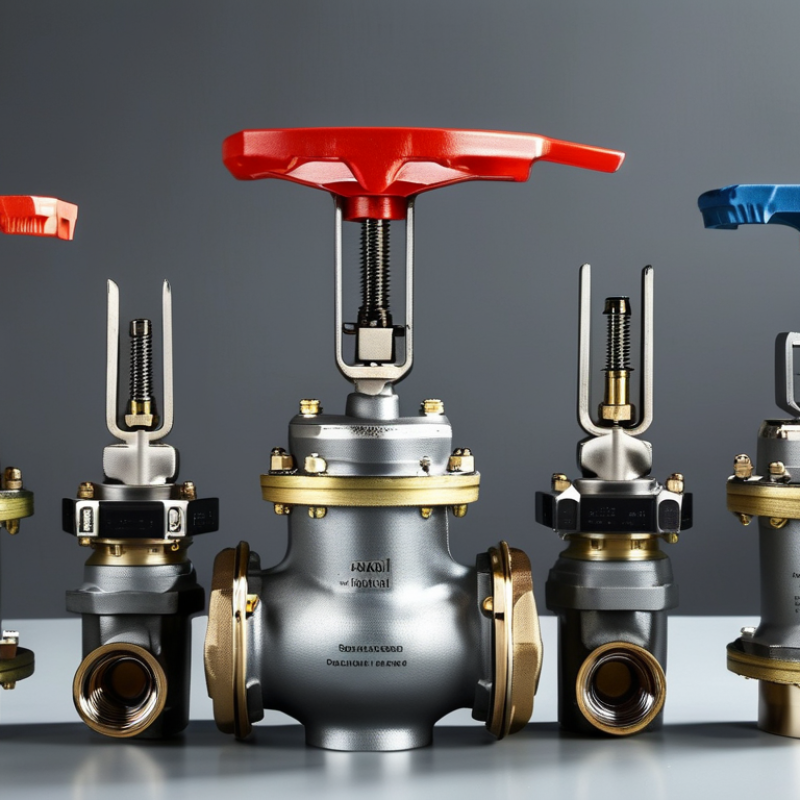
China’s check valve industry serves water treatment, power generation, oil and gas, chemicals, and marine systems. According to Grand View Research’s 2024 industrial valves report, Asia-Pacific held the largest regional market share in 2023. China remains a major production and consumption base, supported by extensive infrastructure investment and export capacity.
Common designs include swing, lift, wafer, dual-plate, and axial-flow check valves. Swing valves suit larger pipelines with moderate flow changes. Wafer and dual-plate models save space between flanges. Lift valves provide controlled shutoff in compact systems. Selection depends on pressure class, flow velocity, installation angle, and reverse-flow risk. Small details matter.
Materials define service life. Ductile iron supports many water applications, while carbon steel handles stronger mechanical demands. Stainless steel resists corrosion in food, chemical, and coastal environments. Nickel alloys serve more aggressive media, but their cost can change project economics sharply. Plastic valves remain useful in low-pressure corrosive systems.
The China Association of Machinery Industry reports continued demand from municipal water, energy, and process equipment sectors. Market estimates vary because reports classify valves differently. This is a real limitation. Buyers should verify test records, pressure ratings, coating thickness, traceability, and applicable standards such as API 598, API 6D, and ISO 5208. Factory experience helps, but documented inspection remains more reliable than claims.

China Top Check Valve Manufacturers and Suppliers
China’s check valve supply chain supports designs from DN15 to DN1200 and pressure classes PN10 to PN420. This range covers compact water lines, refinery headers, power piping, and high-pressure process systems. Recent industrial valve reports from MarketsandMarkets and Grand View Research place the global market above USD 70 billion, with projected mid-single-digit annual growth. These figures are estimates, not guarantees. For buyers, ratings must match temperature, medium, velocity, and installation direction. A DN1200 wafer check valve may suit low-pressure cooling water, but not PN420 service. That distinction matters.
Experienced Chinese suppliers commonly provide swing, lift, dual-plate, and axial-flow designs. Selection should include body material, trim, spring response, face-to-face length, and maintenance access. For critical orders, request pressure-test records aligned with ISO 5208 or project specifications. Ask for traceable material certificates, dimensional reports, and calibration evidence. Independent inspection can verify shell testing, seat leakage, marking, and packing before shipment. These documents reveal more than a polished catalogue. Still, supplier descriptions sometimes simplify pressure limits. Engineers should challenge unclear PN ratings, especially when temperature reduces allowable pressure. One practical weakness remains: published data may not explain transient flow conditions. Water hammer can defeat an otherwise correct selection. That risk deserves a calculation.
| Check Valve Design | Typical Size Range | Pressure Range | Connection Options | Common Body Materials | Typical Applications | Relevant Standards and Verification |
|---|---|---|---|---|---|---|
| Spring-Loaded Piston Check Valve | DN15–DN300 | PN10–PN420 | Threaded, socket-weld, butt-weld, flanged | Carbon steel, stainless steel, alloy steel | Process piping, pumps, water treatment, high-pressure services | Pressure-temperature rating to ASME B16.34; pressure testing commonly verified to ISO 5208 or EN 12266-1 |
| Swing Check Valve | DN50–DN1200 | PN10–PN160 | Wafer, lug, flanged | Ductile iron, cast steel, carbon steel, stainless steel | Water supply, wastewater, cooling systems, fire protection, pipelines | API 594 and EN 12334 are commonly referenced; flow direction and installation position should be confirmed |
| Dual-Plate Wafer Check Valve | DN50–DN1200 | PN10–PN420 | Wafer and lug type | Ductile iron, carbon steel, stainless steel, duplex stainless steel | Oil and gas, power generation, chemical processing, marine systems | API 594 covers many wafer and lug check valve configurations; flange dimensions may follow ASME B16.5 or ASME B16.47 |
| Lift Check Valve | DN15–DN300 | PN16–PN420 | Threaded, socket-weld, butt-weld, flanged | Carbon steel, stainless steel, forged alloy steel | Steam, boiler feedwater, refinery and petrochemical piping | ASME B16.34 is used for pressure-temperature design; end dimensions may follow ASME B16.5 or ASME B16.25 |
| Non-Slam Axial Flow Check Valve | DN50–DN1000 | PN10–PN420 | Flanged and butt-weld | Carbon steel, stainless steel, duplex stainless steel | Large pumps, compressor discharge lines, water hammer-sensitive systems | Dynamic performance should be assessed by flow and transient analysis; pressure tests commonly follow ISO 5208 |
| Ball Check Valve | DN15–DN300 | PN10–PN100 | Threaded, flanged, grooved | Cast iron, ductile iron, carbon steel, stainless steel | Wastewater, sewage, slurry, low-maintenance pumping systems | Material selection should account for solids content and corrosion; leakage testing commonly follows EN 12266-1 or ISO 5208 |
| Foot Valve with Strainer | DN25–DN400 | PN10–PN25 | Threaded and flanged | Cast iron, ductile iron, bronze, stainless steel | Pump suction lines, irrigation, water transfer and storage tanks | Strainer open area, submergence depth and allowable pressure loss should be checked during system design |
| Tilting-Disc Check Valve | DN300–DN1200 | PN10–PN100 | Flanged | Carbon steel, stainless steel, duplex stainless steel | Large-diameter water pipelines, cooling-water systems, power plants | Closing characteristics and hydraulic losses should be evaluated for the specified flow velocity and pipeline profile |
| High-Pressure Forged Check Valve | DN15–DN150 | PN100–PN420 | Socket-weld, threaded, butt-weld, flanged | Forged carbon steel, alloy steel, stainless steel | High-pressure steam, thermal power, petrochemical and process services | High-pressure design requires verified pressure-temperature ratings, non-destructive examination and hydrostatic testing |
Technical note: Size and pressure ranges are typical engineering ranges for the listed check valve designs. Actual availability depends on design code, temperature, fluid properties, end connection, material grade, sealing arrangement and project specifications. PN420 service is a high-pressure engineered application and should be confirmed against the applicable pressure-temperature rating and certification requirements.
China’s leading check valve suppliers are increasingly judged by documented compliance, not appearance or price alone. The 2024 Industrial Valves Market report by Fortune Business Insights valued the global market at about USD 78.36 billion in 2023. MarketsandMarkets estimated a similar market value and projected continued growth through 2028. These figures show strong demand, but they do not prove product quality.
API 594 defines important requirements for wafer and lug check valves, including design, materials, inspection, and testing. API 6D applies to pipeline valves and demands controlled manufacturing, traceability, and functional verification. ASME B16.34 establishes pressure-temperature ratings, wall thickness, materials, and marking requirements. ISO 5208 focuses on pressure testing and allowable leakage rates. A certificate alone is not enough. The test method and acceptance level must match the purchase specification.
Experienced buyers should request material certificates, heat numbers, dimensional records, pressure-test reports, and calibration evidence. During inspection, observe the valve closing without visible sticking, especially after repeated cycles. Check the disc, hinge, seat, and body markings carefully. Some suppliers list every standard but provide incomplete test records. That gap deserves attention. A valve may meet API 594 design requirements yet fail an unsuitable ISO 5208 leakage test. Procurement teams should verify edition dates, pressure class, test medium, and witnessed results before shipment. Perfect paperwork is rare; disciplined review still matters.
Selecting China’s top check valve manufacturers requires more than counting export volume. A useful ranking starts with pressure class coverage, from Class 150 to Class 2500, and verified production experience. Class 2500 valves demand tighter body integrity, stronger bolting, and disciplined closure testing. API 6D and ASME B16.34 provide practical reference points for design, pressure testing, and material control. However, compliance documents alone do not prove consistent factory performance.
Quality evidence should carry greater weight. The ISO Survey 2022 recorded 1,265,216 ISO 9001 certificates worldwide, showing certification is common, not exceptional. Buyers should examine audit findings, calibration records, welding qualifications, and corrective-action history. Look closely. A reliable supplier can provide complete MTC data for body, disc, stem, and pressure-retaining parts. Each certificate should match the heat number, material grade, chemical composition, tensile results, yield strength, and impact values where required. EN 10204 Type 3.1 documentation is useful, while independent Type 3.2 verification adds stronger assurance for critical service.
A practical ranking can assign 35% to Class 150–2500 capability, 30% to QA-system maturity, and 35% to MTC accuracy and traceability. The method is imperfect. Supplier websites often show ideal cases, not average production. Sampling recent orders, reviewing failed-test records, and witnessing hydrostatic tests can expose that gap. Industry valve market reports show continued demand for safer fluid-control equipment, but market growth does not equal manufacturing reliability. Evidence should decide.
Selecting a check valve supplier requires more than a polished catalog. Grand View Research estimated the global industrial valves market at about USD 79 billion in 2023. That scale increases supplier choice, but also increases quality variation. A factory audit should verify machining control, material traceability, calibration systems, and nonconformance handling. Ask to see real production records, not prepared photographs. Look closely at body castings, hinge pins, seats, and storage conditions.
FAT should match the purchase specification and applicable standards. ISO 5208 defines pressure-testing procedures and leakage-rate classifications for industrial valves. API 598 also provides widely used inspection and test requirements. During FAT, confirm shell and seat tests, test pressure, holding time, gauge calibration, and acceptance criteria. Request signed test charts, serial-number links, material certificates, and repair records. A supplier unable to connect one valve to its records presents a serious traceability gap.
Pressure-test records deserve careful review. Check whether the test medium, temperature, pressure, and duration are recorded clearly. Compare actual values with the approved procedure. Some records look complete but omit retest details. That is not automatically misconduct, yet it deserves questions. I have found that small omissions often reveal weak document control. Witness testing can improve confidence, but it cannot replace an effective factory audit. Supplier selection should reflect evidence, not promises.