China Top Outdoor Fireplace and Pizza Oven Manufacturers
China has become a major sourcing destination for outdoor cooking and heating equipment. Its factories combine metal fabrication, ceramic processing, glass production, and export logistics. This combination supports diverse product lines for hospitality, retail, and residential projects.
Market research shows why this category deserves attention. Grand View Research reports continued growth in the global outdoor kitchen market, driven by home renovation and outdoor entertaining. Fortune Business Insights also identifies rising demand for pizza ovens, especially compact gas and electric models. Exact market figures vary between reports. That difference deserves careful consideration.
An outdoor fireplace and pizza oven must offer more than attractive photographs. Buyers should examine heat retention, cooking temperature control, insulation, ventilation, and surface durability. Stainless steel grades matter near coastal areas. Ceramic thickness matters during repeated heating cycles. A reliable manufacturer should explain these details clearly.
China’s leading suppliers often provide OEM and ODM services. They can adjust dimensions, fuel systems, finishes, packaging, and branding. However, customization can create hidden risks. Poorly tested insulation may cause uneven heating. Weak packaging may damage stone decks or ceramic domes during shipment. Factory audits, sample testing, and documented quality controls remain essential.
This guide reviews China’s top outdoor fireplace and pizza oven manufacturers through practical criteria. These include production experience, material selection, safety testing, certification support, and after-sales communication. It also considers export capability and real project performance. No supplier is perfect. A thoughtful comparison helps buyers separate polished marketing from dependable manufacturing evidence.
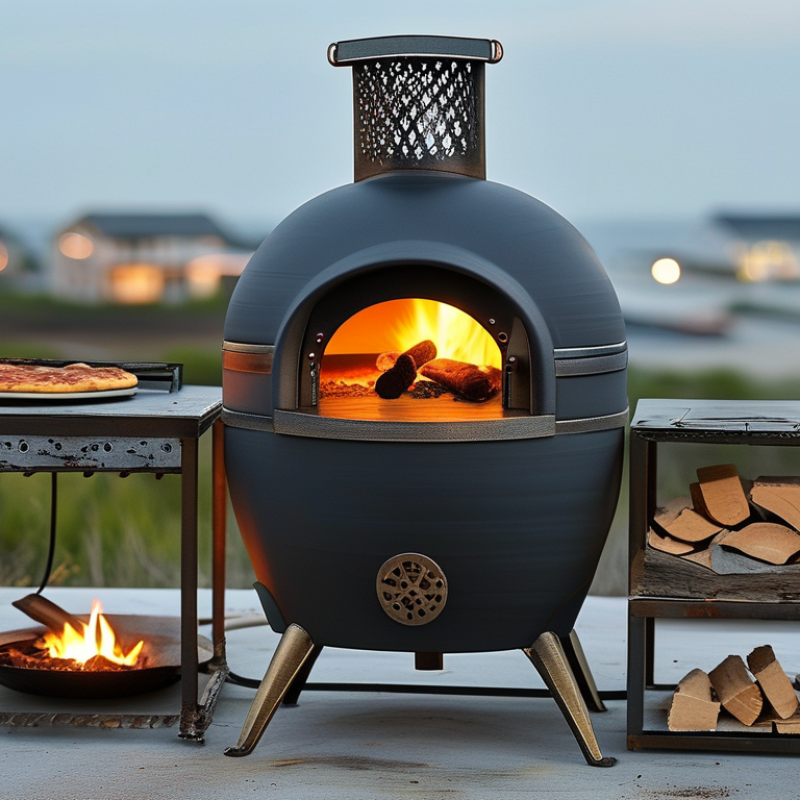
Table of Contents
[Hide]
Types of Outdoor Fireplaces and Pizza Ovens Made in China
China’s outdoor fireplace and pizza oven manufacturers produce several practical formats for patios, gardens, and hospitality spaces. Wood-burning fireplaces remain popular for their crackling heat and smoky aroma. Steel chimineas, fire pits, and masonry-style units offer different heat patterns. Gas fireplaces provide cleaner control, while electric models suit balconies and covered areas. Bioethanol units are compact, but their heat output is usually modest.
Pizza ovens made in China commonly include portable countertop ovens, cart-mounted ovens, and built-in outdoor kitchen models. Wood-fired versions can reach high temperatures quickly. Gas models offer steadier flame adjustment. Electric ovens are easier to install in some settings. Insulated stainless-steel chambers, ceramic fiber blankets, refractory bricks, and cordierite baking stones are frequent construction choices. Small details matter. A poorly sealed door wastes heat.
Market data supports this product diversity. Fortune Business Insights valued the global pizza oven market at about USD 1.9 billion in 2023, with continued growth expected through the decade. Grand View Research also identifies outdoor cooking equipment as a growing segment within outdoor living products. These figures are useful, but report definitions differ, so buyers should compare methodology carefully. I would request thermal-cycle testing, weld inspection, gas-leak checks, and food-contact material documentation. Some product pages sound impressive yet omit insulation thickness or actual recovery time. That gap deserves attention. Reliable Chinese suppliers should provide test records, installation guidance, and clear compliance documents for the destination market.
China Top Outdoor Fireplace and Pizza Oven Manufacturers - Types of Outdoor Fireplaces and Pizza Ovens Made in China
| Product Category | Type | Typical Fuel | Common Main Materials | Typical Heating or Cooking Temperature | Typical Size Range | Key Features | Typical Applications |
|---|---|---|---|---|---|---|---|
| Outdoor Fireplace | Wood-Burning Fireplace | Firewood or hardwood logs | Carbon steel, stainless steel, cast iron, firebrick, ceramic glass | Approximately 400–800°C inside the firebox, depending on airflow and fuel | Compact patio units to built-in structures approximately 600–1,500 mm wide | Natural flame, high radiant heat, chimney or flue options, ash collection | Patios, gardens, outdoor living areas, restaurants, and hospitality spaces |
| Outdoor Fireplace | Gas Fireplace | Natural gas or liquefied petroleum gas | Stainless steel, coated steel, tempered glass, ceramic logs, refractory panels | Typically 300–650°C in the burner and firebox area | Tabletop, freestanding, wall-mounted, and built-in formats | Push-button ignition, adjustable flame, cleaner operation, controllable heat output | Residential patios, balconies where permitted, hotels, cafés, and outdoor lounges |
| Outdoor Fireplace | Fire Pit Table | Natural gas, liquefied petroleum gas, or wood | Aluminum, steel, stainless steel, concrete, ceramic glass, lava rock | Approximately 200–600°C around the burner or combustion area | Common tabletop dimensions range from approximately 600 × 600 mm to 1,500 × 700 mm | Combined table and heating function, decorative media, flame-control system | Residential gardens, terraces, resorts, outdoor dining, and entertainment areas |
| Outdoor Fireplace | Chiminea-Style Fireplace | Wood or charcoal | Cast iron, steel, clay, terracotta, fire-resistant coatings | Approximately 300–700°C in the combustion chamber | Usually 700–1,500 mm in height | Vertical chimney design, compact footprint, focused radiant heat | Small patios, courtyards, gardens, and compact outdoor seating areas |
| Outdoor Fireplace | Freestanding Wood Stove | Seasoned firewood or wood pellets, depending on design | Cast iron, carbon steel, stainless steel, ceramic glass, refractory lining | Approximately 350–750°C inside the combustion chamber | Common heights range from approximately 700–1,200 mm | Enclosed combustion chamber, flue connection, high heat retention, improved safety | Covered patios, cabins, outdoor kitchens, and semi-enclosed living areas |
| Pizza Oven | Wood-Fired Pizza Oven | Dry hardwood or approved wood fuel | Stainless steel, carbon steel, refractory concrete, firebrick, ceramic fiber insulation | Cooking floor commonly reaches approximately 350–480°C | Cooking surfaces commonly range from approximately 400–1,000 mm in diameter or width | Traditional smoke flavor, insulated dome or chamber, stone or refractory cooking floor | Neapolitan-style pizza, flatbreads, roasting, baking, and outdoor catering |
| Pizza Oven | Gas Pizza Oven | Natural gas or liquefied petroleum gas | Stainless steel, aluminized steel, refractory stone, ceramic fiber insulation | Usually approximately 300–500°C, with faster temperature adjustment | Portable countertop models to built-in ovens with 600–1,200 mm cooking widths | Rapid ignition, precise heat control, shorter warm-up time, reduced ash production | Home gardens, food-service kitchens, cafés, restaurants, and catering operations |
| Pizza Oven | Electric Pizza Oven | Electricity | Stainless steel, powder-coated steel, ceramic or cordierite stone, mineral insulation | Commonly approximately 250–450°C, depending on heating-element capacity | Countertop units commonly provide one or two pizza chambers | Thermostatic control, low-emission operation, indoor or covered-outdoor suitability | Balconies where permitted, outdoor kitchens with electrical supply, cafés, and small restaurants |
| Pizza Oven | Pellet Pizza Oven | Food-grade wood pellets | Stainless steel, coated steel, ceramic fiber insulation, cordierite stone | Typically approximately 350–500°C at the cooking surface | Portable models commonly accommodate pizzas approximately 300–400 mm in diameter | Compact fuel storage, quick heat-up, portable construction, automated or assisted feeding | Balconies where permitted, patios, camping, mobile catering, and home use |
| Pizza Oven | Multi-Fuel Pizza Oven | Wood, charcoal, or gas, depending on the model | Stainless steel, carbon steel, refractory stone, ceramic insulation | Approximately 300–500°C during pizza cooking | Portable countertop and freestanding formats; cooking areas commonly 300–900 mm wide | Fuel flexibility, removable components, adjustable vents, versatile cooking modes | Residential outdoor kitchens, restaurants, caterers, and recreational cooking |
| Pizza Oven | Built-In Outdoor Pizza Oven | Wood, gas, electric, or multi-fuel | Stainless steel, refractory brick, cast concrete, ceramic insulation, stone cladding | Generally approximately 300–500°C for pizza cooking, subject to design and fuel | Cooking chambers commonly range from approximately 600–1,200 mm wide | Integrated cabinetry installation, large cooking capacity, insulated door and dome options | Permanent outdoor kitchens, villas, restaurants, resorts, and commercial terraces |
Temperature, dimensions, materials, and fuel compatibility are typical industry ranges. Actual specifications vary according to the design, insulation, burner capacity, ventilation, and applicable local safety requirements.
Related Posts
-
7 Best Outdoor Brick Fireplace With Pizza Oven Kits
-
Why You Should Consider a Wood Burning Fireplace with Pizza Oven for Your Home
-
Best Fire Place Oven Tips for Efficient Heating Solutions?
-
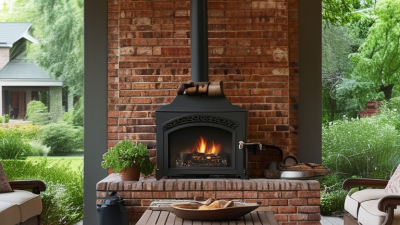
Best Brick Oven and Fireplace for Your Home Needs?
-
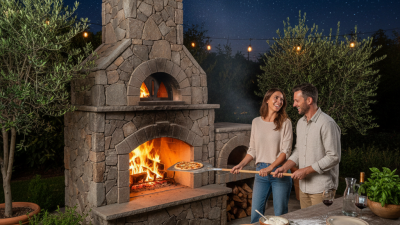
2025 Top Outdoor Pizza Oven Ideas for Your Fireplace Enjoy Delicious Meals
-
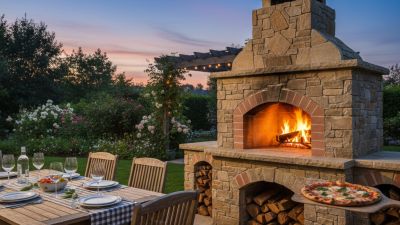
How to Choose the Best Pizza Oven Fireplace for Your Outdoor Cooking Needs