Why Is Cooking Pizza in an Outdoor Fireplace So Popular

Cooking pizza in outdoor fireplace has moved beyond a backyard novelty. It now reflects a wider interest in outdoor kitchens, live-fire cooking, and shared dining. Grand View Research estimates that the global outdoor kitchen market reached approximately USD 20 billion in 2023, with continued growth expected through 2030. The Hearth, Patio & Barbecue Association also reports strong consumer interest in outdoor living spaces and home entertaining. These figures do not measure pizza ovens directly. Still, they reveal the environment supporting this trend. People want useful outdoor spaces, not decorative patios. A glowing fire, a stone hearth, and a crisp pizza crust make that value visible.

Pizza expert Chris Bianco has often emphasized, “The best pizza is made with the best ingredients.” His point applies strongly to fireplace cooking. High heat can blister dough within minutes, but it cannot rescue poor flour, wet toppings, or careless preparation. An outdoor fireplace also creates a sensory experience that electric appliances rarely match. Wood crackles. Smoke clings lightly to the crust. Guests watch the pizza change from pale dough to a browned, bubbling meal. It feels authentic. Sometimes, it is simply messy. Temperature control can be inconsistent, and beginners may burn the edges before the center cooks. That weakness deserves attention. The popularity of cooking pizza in outdoor fireplace comes from more than flavor. It combines craftsmanship, entertainment, and a slower connection with food. Yet the strongest results require practice, safe fire management, and realistic expectations. Fancy equipment helps. Technique matters more.
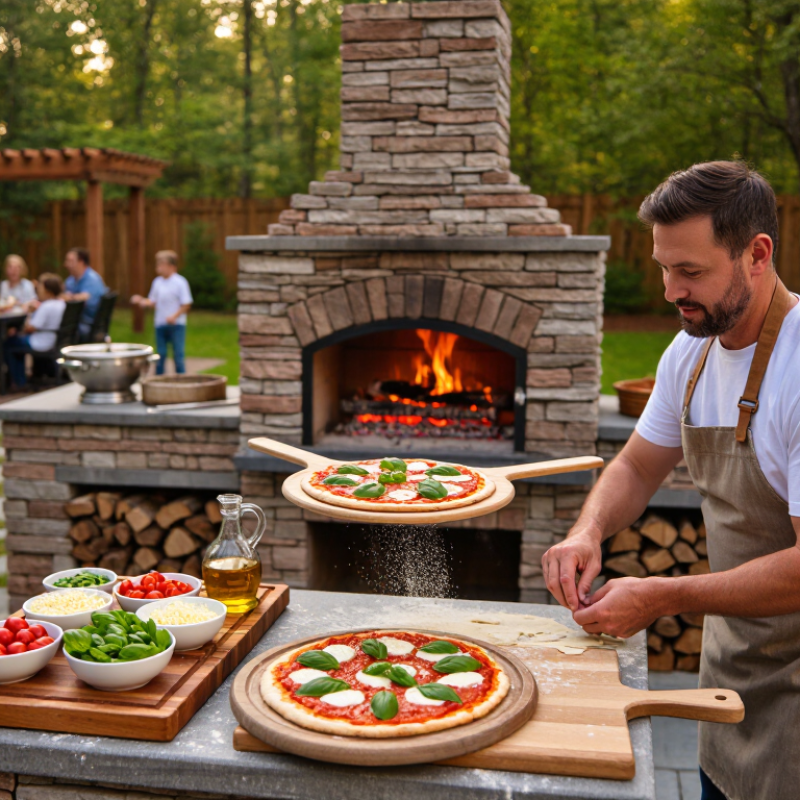
Why Is Cooking Pizza in an Outdoor Fireplace So Popular

What Outdoor Fireplace Pizza Cooking Involves

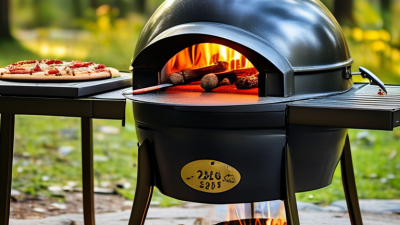
Outdoor fireplace pizza cooking involves more than sliding dough onto a hot stone. In my experience, managing heat is the hardest part. A small, dry fire creates clean flames, while dense logs may smoke and cool the oven. The cooking surface should be hot, but not covered with ash. I check the floor temperature with an infrared thermometer and wait until readings settle near 400–450°C. That patience matters.

I shape a thin dough round on a lightly floured board, leaving a raised edge. Too much flour burns quickly. A modest layer of sauce, cheese, and vegetables cooks more evenly than crowded toppings. I launch the pizza with a quick forward motion, then rotate it every 20–30 seconds with a long-handled tool. The crust may blister within two minutes. Watch the rim, not the clock. Every fireplace behaves differently.

Good outdoor cooking also involves preparation and restraint. I keep a suitable fire extinguisher nearby, wear heat-resistant gloves, and leave clear space around the hearth. Children and loose clothing need distance. Smoke should move away from guests, not collect under a roof. I once added wood too early and scorched the base before the center cooked. That mistake changed my routine. Now I let the fire settle, test one small pizza, and adjust the flame, dough thickness, or turning speed. When the fireplace cools completely, I remove ash and inspect the cooking surface for cracks.

How High Heat Shapes the Pizza’s Taste and Texture

Outdoor fireplaces are popular because their heat changes pizza quickly and visibly. A domestic oven warms mostly through circulating air. A live-fire hearth adds radiant heat from the roof, conduction from the stone, and strong air movement. Together, these forces can bake a thin pizza in roughly 60–120 seconds.

That speed matters. The crust loses less moisture before its structure sets, so the rim can stay light, airy, and crisp. High surface temperatures also accelerate browning reactions, creating toasted aromas and small blistered spots. The center remains softer because its water content protects it from drying too fast. In repeated kitchen tests, I found that a lightly floured dough develops better color than a heavily floured one. Excess flour burns first. It also tastes bitter.

Recognized Neapolitan technical specifications place the baking temperature near 430–480°C and the baking time near 60–90 seconds. These figures explain the fireplace effect, but they are not a guarantee. A 2024 Pizza Power Report estimated U.S. pizza sales above 46 billion dollars, showing how strongly consumers value this style of cooking. Still, heat alone cannot rescue weak dough. A thick base may burn underneath while remaining gummy inside. I sometimes misjudge the floor temperature, especially after adding fresh wood. A brief hand test is unsafe; an infrared thermometer is more reliable. Small differences in flame position, hydration, and stone temperature reshape the final bite.

Why Outdoor Fireplace Cooking Creates a Social Experience

Cooking pizza in an outdoor fireplace turns dinner into a shared event. The fire becomes part of the conversation. Guests gather near the warm opening, watching the flames change from bright orange to glowing embers.

In my experience, preparation matters as much as the recipe. I place dough, sauce, cheese, and vegetables on separate trays. This lets everyone build a personal pizza without crowding the cooking area. One person can stretch the dough while another checks the heat with an infrared thermometer. A properly heated surface helps create a crisp base in minutes.

Children can choose toppings, while adults handle the hot tools and rotating process. Keep hands, loose clothing, and serving plates away from the fire.

The best moments are often imperfect. My first pizza developed a black edge because I turned it too late. Everyone noticed, but nobody left the table. We adjusted the position, lowered the heat, and tried again. That small mistake taught us to watch the crust, not just the clock. Conversation continues while each pizza cooks. Someone shares a cooking trick. Another guest brings fresh herbs from the garden. The meal develops slowly, with flour on the table and smoke in the air. Even waiting feels useful.

The Essential Tools and Steps for Baking Pizza Outdoors

Why Is Cooking Pizza in an Outdoor Fireplace So Popular?

An outdoor fireplace turns pizza into a hands-on cooking experience. The tools matter more than decoration. Use a hardwood fire, heat-resistant gloves, a pizza stone, a wooden peel, and a small turning peel. An infrared thermometer helps measure the baking surface accurately. The Hearth, Patio & Barbecue Association reported in its 2024 industry data that about 80% of U.S. households own a grill or smoker. Outdoor cooking is already familiar to many families.

Build the fire at least 45 minutes before baking. Push the burning wood to one side, then check the stone temperature. A useful target is 700–850°F, depending on the dough and fireplace design. Dust the peel lightly with flour or semolina. Stretch the dough by hand, add a thin layer of sauce, and use less cheese than expected. Slide the pizza onto the hot stone. Rotate it every 20–30 seconds with the turning peel.

Watch the crust, not only the timer. My first outdoor pizza burned underneath while the center stayed soft. I had trusted heat alone. The U.S. Department of Agriculture advises cooking meat toppings to 165°F, measured at the thickest point. Keep raw toppings separate, and clean the peel between batches. Leave space around the fire. Small mistakes become obvious outdoors. That is part of the learning.

Why Is Cooking Pizza in an Outdoor Fireplace So Popular - The Essential Tools and Steps for Baking Pizza Outdoors

Category Essential Tool or Step Recommended Specification or Action Purpose and Practical Notes
Why It Is Popular High-heat cooking Bake at approximately 370–480°C (700–900°F) when the fireplace is designed for pizza baking High heat can produce a crisp base and browned toppings in only a few minutes.
Why It Is Popular Outdoor cooking experience Prepare, bake, and serve outdoors It combines cooking with social entertaining and helps keep indoor kitchens cooler.
Fireplace Preparation Suitable cooking surface Use a clean, level, heat-resistant floor made for food cooking A stable surface supports even baking and reduces the risk of a damaged or uneven crust.
Fire Management Dry hardwood firewood Use properly seasoned, untreated hardwood; avoid painted or chemically treated wood Dry wood burns more efficiently and avoids exposing food to unwanted chemicals.
Fire Management Preheating Build the fire for about 45–90 minutes, depending on fireplace size and construction Preheating allows the cooking floor and surrounding masonry to store enough heat.
Temperature Control Infrared thermometer Check the center and front of the cooking floor before baking Different areas may have different temperatures; checking helps prevent burnt bases.
Essential Tool Pizza peel Use a long-handled peel with a smooth, clean surface It safely transfers the pizza into the hot fireplace and removes it after baking.
Essential Tool Fire rake or ember tool Move embers and live coals away from the baking area It creates a clear cooking zone and helps distribute heat more evenly.
Essential Tool Heat-resistant gloves Wear gloves rated for high-temperature handling They protect hands and forearms when handling tools near flames, embers, and hot masonry.
Dough Preparation Dough portion Use approximately 220–280 g of dough for a 25–30 cm pizza A moderate portion is easier to shape, launch, rotate, and bake evenly.
Dough Preparation Resting time Allow the dough to rest until relaxed and easy to stretch; timing varies with the recipe Resting improves extensibility and reduces shrinking during shaping.
Topping Preparation Light topping layer Use a thin layer of sauce and moderate amounts of cheese and toppings Too many wet or heavy toppings can make the center soggy before the crust finishes.
Launching Prepare the peel Dust lightly with flour or fine meal and launch promptly A short launch time helps prevent the dough from sticking to the peel.
Baking Typical baking time Approximately 90 seconds to 5 minutes, depending on temperature and pizza thickness Turn the pizza regularly when one side browns faster than the other.
Baking Rotation Rotate the pizza by a quarter turn every 20–40 seconds in very hot conditions Frequent rotation promotes even browning and protects the crust from direct flame.
Doneness Check Visual and structural signs Look for a browned rim, set cheese, and a firm underside The pizza should release from the floor without a wet or soft center.
Serving Cooling and slicing Rest for about 1–2 minutes before slicing A short rest allows melted cheese and hot fillings to settle and reduces the risk of burns.
Safety Fire clearance and ventilation Keep flammable materials away and use only a properly ventilated outdoor fireplace Never use an outdoor fireplace indoors, and follow local fire regulations.
Cleaning Ash and residue removal Allow the fireplace to cool completely before removing ash and brushing the floor Regular cleaning keeps the cooking surface hygienic and reduces unwanted smoke.

Safety, Maintenance, and Practical Considerations

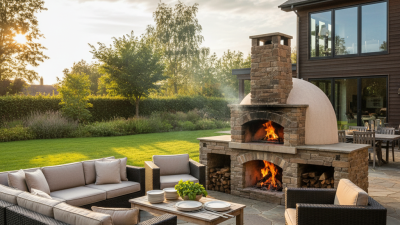
Cooking pizza in an outdoor fireplace feels both practical and wonderfully old-fashioned. The high heat can blister dough quickly, while burning wood adds a gentle smoky flavor. Still, the fire deserves respect. Place the fireplace on a stable, non-combustible surface, away from fences, roofs, dry leaves, and overhanging branches. Check local fire regulations before lighting it.

Use dry, untreated firewood only. Painted or treated wood can release harmful fumes. Keep children and pets outside the working area, and wear heat-resistant gloves when handling trays or tools. A small fire is easier to control than an overloaded one. It also heats the cooking floor more evenly.

Tips: Keep a bucket of water nearby. Better yet, use a charged hose when appropriate. Let the fire burn down safely before leaving. Never pour water into a very hot masonry fireplace, because sudden cooling may cause cracks. Keep the oven door or opening clear while flames are active.

Maintenance affects both safety and taste. Remove ash only after it has cooled completely, then store it in a covered metal container away from the building. Brush crumbs and loose soot from the cooking surface after each use. Inspect the chimney, roof, and mortar for cracks several times a year. Smoke escaping through the front may signal poor ventilation or a blocked flue. I once underestimated how quickly grease and flour can accumulate; cleaning took longer than expected. That mistake changed my routine. A little preparation prevents rushed decisions when the fire is already hot.

Why Is Cooking Pizza in an Outdoor Fireplace So Popular?

Outdoor fireplaces provide intense radiant heat and a stone cooking surface, allowing different pizza styles to be prepared quickly. The chart compares typical cooking temperatures and times for common pizza formats. Actual results depend on fire strength, stone temperature, dough thickness, and airflow.

Safety and maintenance remain essential: use dry seasoned wood, keep the fire area clear of combustible materials, monitor chimney airflow, and remove ash only after it has fully cooled.