What Is a Backyard Fire Pit Pizza Oven?

A backyard fire pit pizza oven combines the warmth of an outdoor fire pit with the cooking chamber of a pizza oven. It is designed for open-air cooking, social gatherings, and compact backyard entertaining. Depending on the model, it may use wood, charcoal, gas, or a combination of fuels. The cooking surface usually contains fire-resistant stone or metal, while the dome or lid helps retain and circulate heat.

The main difference is heat management. A fire pit creates warmth around people, but a pizza oven concentrates heat above and beneath the dough. This allows a pizza to cook quickly, often producing a browned crust and melted toppings. In practical use, users must monitor the flame, rotate the pizza, and allow the stone to recover between bakes. Small details matter. Damp wood can create smoke. A crowded cooking surface can lower the temperature.

However, this equipment is not automatically simple or risk-free. A stable, non-combustible surface is essential, and the unit should remain away from structures, fences, and overhanging branches. Proper ventilation also matters, especially with enclosed designs. Always follow the manufacturer’s instructions and check applicable local outdoor-fire requirements before installation.

Some models work beautifully for weekend gatherings. Others feel awkward when cleaning, fueling, or controlling heat. That is worth admitting. Choosing the right backyard fire pit pizza oven depends on cooking goals, available space, fuel preference, and maintenance tolerance. A reliable model should offer clear instructions, sturdy construction, predictable airflow, and safe handling features. Great pizza helps, but dependable operation matters more.
What Is a Backyard Fire Pit Pizza Oven?

Definition and Core Features of a Backyard Fire Pit Pizza Oven

What Is a Backyard Fire Pit Pizza Oven?

A backyard fire pit pizza oven is an outdoor cooking appliance that combines open-fire warmth with a contained baking chamber. It uses wood or another approved fuel to create high heat for pizza, flatbreads, and roasted vegetables. Unlike a simple fire pit, it directs heat toward a cooking surface instead of spreading it only around a central flame. The design usually includes a fire bowl, insulated oven chamber, baking stone or metal plate, and chimney or vent.

Core features determine how reliably the oven cooks. A stable, heat-resistant body supports safe use on a nonflammable surface. Adjustable airflow helps manage the flame, while insulation keeps heat inside the chamber. A wide opening makes it easier to place and turn a pizza. Some models also include a thermometer, but readings can vary near the fire. Watch the crust, not only the gauge.

In practical use, the oven needs time to heat evenly. The cooking floor may be hot while the upper chamber remains cooler. Rotating the pizza every few minutes can reduce burned edges. Dry, properly sized fuel also produces steadier heat and less unwanted smoke. Keep children and loose materials away, follow local fire rules, and fully extinguish the fire after cooking. I have found that “ready” is not always obvious; a short test bake often reveals uneven heat before the main meal.

How a Fire Pit Pizza Oven Generates and Distributes Heat

What Is a Backyard Fire Pit Pizza Oven?

How a Fire Pit Pizza Oven Generates and Distributes Heat

A backyard fire pit pizza oven combines an open-fire hearth with a compact baking chamber. Its wood flame releases energy through radiation, hot gases, and glowing embers. The 2023 ASHRAE Handbook—Fundamentals identifies these as radiation, convection, and conduction. A curved dome stores heat and radiates it downward. The cooking floor then transfers heat directly into the dough.

The Association of Verace Pizza Napoletana specification places traditional pizza baking near 430–480°C (806–896°F).

That temperature explains the blistered crust and fast cooking, often within 60–90 seconds.

However, heat distribution remains imperfect. The fire side may scorch toppings while the outer edge stays pale. An infrared thermometer reads the floor surface, not the entire chamber. That distinction matters. Visual checks still count.

Tips: Build a small, concentrated fire instead of spreading logs widely. Preheat the stone for 30–45 minutes before baking. Rotate the pizza every 15–20 seconds for more even browning. Keep the flame active but controlled. Do not trust one temperature reading. Crust color, bubbling cheese, and a firm underside reveal more. Use dry, untreated firewood, and position the oven on a stable, non-combustible surface.

Main Fuel Types and Cooking Methods

What Is a Backyard Fire Pit Pizza Oven?

A backyard fire pit pizza oven combines an open fire with a heat-retaining cooking chamber. Its fuel choice changes the heat, flavor, cost, and workload. Dry hardwood creates lively flames and smoky edges. Charcoal offers steadier embers and fewer sudden flare-ups. Propane or natural gas provides cleaner control, especially when timing matters. I still find wood fires less predictable. The crust tells.

Wood needs preparation. Use dry, seasoned pieces, and keep the flame to one side of the oven. This creates a hot floor and a gentler baking zone. Charcoal works well for cast-iron pizza pans and slow, even cooking. Gas suits quick cooking, but it can feel less traditional. A hybrid setup may offer flexibility, although more parts can mean more maintenance.

Cooking methods also vary. Direct flame browns the rim quickly, while retained-heat baking cooks the center more gently. Rotate the pizza often, since one side may face the strongest heat. The U.S. Department of Agriculture recommends 165°F for poultry and 145°F for whole cuts of meat, checked with a thermometer. That matters when the oven handles more than pizza. The National Fire Protection Association reported an estimated 158,400 home cooking fires annually from 2017 to 2021, representing 53% of reported home structure fires. Keep fuel, gloves, and tools organized. The U.S. Environmental Protection Agency also advises burning dry wood, which produces less smoke than wet wood. My own mistake was adding fuel too early. A calm fire usually cooks better.

What Is a Backyard Fire Pit Pizza Oven?

A backyard fire pit pizza oven uses concentrated heat from wood, charcoal, propane or gas, or electricity to bake pizza on a hot stone or metal surface. Cooking time depends mainly on the oven temperature and cooking method.

The chart shows common backyard cooking-time ranges converted to approximate midpoint values. Direct high-heat baking is usually fastest, while covered or indirect baking takes longer. Actual results vary with dough thickness, pizza size, stone temperature, airflow, and fuel control.

Essential Components, Materials, and Design Options

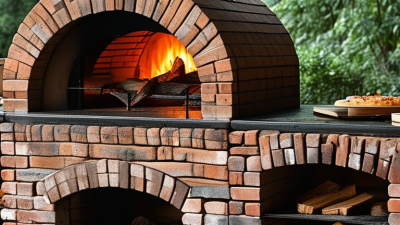
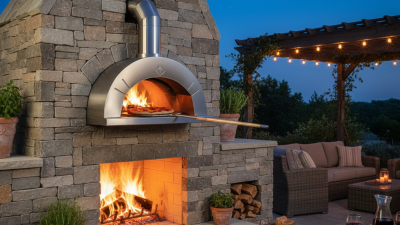
A backyard fire pit pizza oven combines open-fire warmth with a dedicated cooking chamber. Its essential parts include a firebox, cooking floor, insulated dome, and chimney or vent. The cooking floor needs strong heat retention and a smooth surface for sliding pizza. Insulated walls reduce fuel use and help maintain steady temperatures. A stable chimney directs smoke away from guests. Small details matter.

For the dome, heat-resistant masonry or refractory concrete performs well under repeated heating. Dense firebrick suits the cooking floor because it tolerates thermal shock. The exterior can use brick, stone, or finished concrete, depending on the landscape. The foundation should be noncombustible, level, and strong enough to support the oven’s weight. Drainage is often overlooked. Rainwater can weaken joints and damage insulation over time. In one practical build, poor drainage caused avoidable repairs after winter.

Design options range from compact portable ovens to permanent masonry structures. A small oven heats faster, but its cooking space is limited. A larger dome handles several pizzas, yet it demands more fuel and construction effort. The entry opening should fit your baking tools comfortably. Vent placement affects smoke, heat, and cooking control. Leave clear space around the oven for preparation and safe movement. Decorative finishes look attractive, but they should never cover inspection points or ventilation paths. A beautiful design can still perform poorly.

Safe Setup, Operation, and Basic Maintenance

What Is a Backyard Fire Pit Pizza Oven?
Safe Setup, Operation, and Basic Maintenance

A backyard fire pit pizza oven combines open-air cooking with high, focused heat. Place it on a level, noncombustible surface, away from fences, branches, walls, and dry grass. Check local fire rules before lighting it. Keep children, pets, and loose clothing outside the hot zone. A metal screen can reduce sparks, but it cannot replace supervision. I learned this the hard way when a small gust moved ash farther than expected. Wind changes the risk quickly.

Tips: Keep a charged hose or bucket nearby. Use long, heat-resistant tools. Light only the recommended fuel, and never exceed the safe fill level. Let the oven preheat gradually. A surface thermometer helps, because the flame can look modest while the stone remains dangerously hot. Turn the pizza every few minutes for even browning. Stay present.

After cooking, let the fire die naturally unless emergency guidance says otherwise. Do not pour water onto a hot stone or metal body. Sudden cooling may cause cracking or warping. Remove ash only when everything feels completely cold, often the next day. Store dry fuel safely. Inspect cracks, loose handles, and blocked vents, then clean soot as directed. My mistake was rushing cleanup once. Patience prevents burns and protects the oven. Stop using it if structural damage appears.

What Is a Backyard Fire Pit Pizza Oven? - Safe Setup, Operation, and Basic Maintenance

Category Key Dimension Practical Guidance Safety or Maintenance Reason
Definition Appliance type A backyard fire pit pizza oven combines a solid cooking surface or oven chamber with a wood, charcoal, or gas heat source. It is designed to cook pizza using direct heat, radiant heat, and hot air circulation. The heat source and cooking chamber can become extremely hot, so the unit should be treated as an outdoor cooking appliance rather than an open fire.
Location Placement surface Set the oven on a stable, level, non-combustible surface such as concrete, masonry, or a properly rated outdoor hearth. Keep it away from dry grass, wooden decks, fences, sheds, and overhanging branches. A level, non-combustible base reduces tipping, heat damage, and the chance that embers will ignite nearby materials.
Clearance Overhead and side space Follow the clearance values in the appliance manual. If no model-specific values are available, use generous open-air spacing and never operate beneath a roof, canopy, or low branch unless the structure is specifically approved for the appliance. Heat, smoke, and sparks can travel upward and sideways. Manufacturer instructions take priority because designs and insulation levels differ.
Weather Operating conditions Avoid use during strong winds, thunderstorms, very dry conditions, or local fire restrictions. Keep the oven protected from rain when it is not in use, but allow it to cool completely before covering it. Wind can spread sparks, while moisture entering a hot oven or porous masonry may cause cracking or thermal shock.
Fuel Approved fuel only Use only the fuel specified for the oven. For wood-fired models, use clean, dry, untreated hardwood. Do not burn painted, pressure-treated, glued, or chemically treated wood. Improper fuel may produce toxic smoke, excessive soot, unpredictable flames, or damaging temperatures.
Fire starting Ignition method Use a long-reach lighter or approved fire starter. Never use gasoline, kerosene, alcohol, or other liquid accelerants. Keep the oven door, vents, and chimney arrangement consistent with the operating instructions. Liquid accelerants can cause flash fires and dangerous vapor ignition. Correct airflow supports controlled combustion.
Personal protection Heat and burn prevention Wear heat-resistant gloves when handling the door, fuel, cookware, or pizza peel. Use long-handled tools and keep children and pets outside the immediate work area. Metal surfaces, handles, stones, and flames can remain hot long after cooking stops.
Preheating Cooking readiness Preheat gradually and monitor the cooking surface with an infrared thermometer when appropriate. Many pizza ovens cook at temperatures well above a standard indoor oven, so use the temperature range stated in the manual. Gradual heating helps reduce thermal stress, while surface-temperature checks help prevent burnt crusts and undercooked toppings.
Cooking Pizza handling Use a lightly floured or properly prepared pizza peel, place the pizza clear of the flame, and rotate it with a suitable tool when the crust browns unevenly. Keep the oven opening controlled during cooking. High heat can burn exposed dough quickly, and rotating the pizza promotes more even cooking without placing hands near the flame.
Fire control Flame management Add small amounts of fuel gradually and do not overload the firebox. Keep a fully charged fire extinguisher suitable for ordinary combustibles nearby, along with a bucket of sand or a hose where appropriate. A controlled fire is easier to manage and produces fewer sparks. Water should not be poured onto a hot masonry or ceramic oven unless the manufacturer specifically permits it.
Shutdown End-of-use procedure Stop adding fuel and allow the fire to die out naturally. Close vents only as directed by the manual, and verify that no flame, glowing ember, or hot ash remains before leaving the area. Prematurely restricting airflow or leaving embers unattended can create smoke, carbon monoxide, or a fire hazard.
Ash removal Cooling and disposal Remove ash only after it is completely cold. Place it in a covered, non-combustible metal container positioned away from buildings and combustible materials. Ash can conceal live embers for many hours. Plastic containers and indoor storage can melt or ignite.
Cooking surface Routine cleaning After the oven has cooled, brush loose flour, food debris, and ash from the cooking surface using a tool appropriate for the surface material. Avoid soap or harsh chemicals unless the manufacturer permits them. Residue can smoke or burn during the next use, while chemicals may be absorbed by porous stones or leave unsafe residues.
Oven chamber Soot and residue Inspect the chamber, burner area, vents, and chimney for soot or buildup. Clean according to the appliance instructions and ensure air passages are unobstructed before relighting. Blocked airflow can reduce performance, increase smoke, and create unsafe combustion conditions.
Inspection Pre-use checks Before each use, check for loose parts, damaged insulation, cracked stones, blocked vents, unstable supports, fuel leaks, or deteriorated hoses on applicable models. Damaged components can allow heat to reach combustible materials or cause fuel and combustion problems.
Storage Protection between uses Allow the oven to cool and dry fully before using a breathable, weather-resistant cover. Store removable accessories in a dry location and protect fuel from moisture. Proper storage helps prevent corrosion, mold, water damage, and uneven heating caused by damp fuel or internal moisture.
Emergency response Unexpected fire If a fire escapes the cooking area, move people away, call emergency services, and use an appropriate extinguisher only if the fire is small and you have a clear exit path. Never take personal risks to save the appliance. Outdoor fires can spread quickly, especially in dry or windy conditions. Personal safety and professional assistance come first.