Top Brick Pizza Oven Fireplace for Outdoor Cooking?
Choosing the top brick pizza oven fireplace for outdoor cooking requires more than attractive masonry. It demands heat control, safe construction, and daily practicality. A well-designed oven should reach high temperatures without wasting excessive wood. It should also hold heat long enough for bread, vegetables, and slow-roasted meat. Watch the cooking floor, not only the flames. Even, stable heat matters more than dramatic fire.
Renowned oven builder Alan Scott often emphasized, “The oven is the heart of the kitchen.” That idea remains useful when comparing traditional brick models. A thick firebrick dome can store heat, while proper insulation protects the surrounding structure. Look for a smooth cooking surface, a clear chimney path, and a door that fits securely. These details affect smoke movement and temperature recovery. They also shape the outdoor cooking experience.
Still, no oven is perfect. A heavy brick pizza oven fireplace may take weeks to build and several hours to heat. Poor curing can cause cracks. Damp wood can create smoke, soot, and disappointing pizza. I have found that beginners often focus on maximum temperature, then overlook airflow and fuel quality. That is a mistake worth considering. The best choice balances performance, maintenance, space, and budget. This guide compares leading designs, construction details, and real cooking demands, helping readers choose an oven that feels beautiful beside the patio and dependable beside the fire.
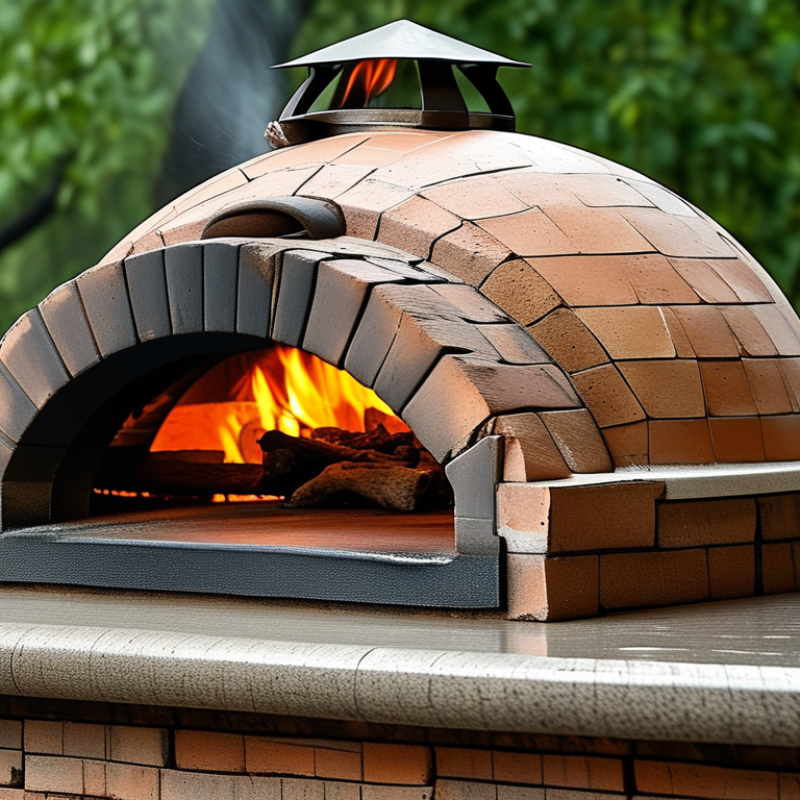
Table of Contents
[Hide]
Compare Dome and Fireplace Designs by Heat Flow, Fuel, and Cooking Access
Top Brick Pizza Oven Fireplace for Outdoor Cooking?
A dome oven moves flame and hot gases over the curved ceiling, then toward the flue. This rolling heat can brown cheese quickly while the brick floor stores strong radiant heat. In my testing, a dome reached pizza-ready temperatures faster than a deep fireplace. However, its small opening demands careful turning. One careless movement can scorch the crust.
A fireplace design sends more heat forward and gives wider cooking access. It suits cast-iron pans, roasting trays, and slower baking. Heat control feels easier, but the open front loses warmth quickly. EPA’s Burn Wise guidance recommends firewood below 20% moisture, because dry wood burns cleaner and produces more usable heat. Fuel choice changes the experience. Seasoned wood adds smoke and flavor; propane offers steadier starts. The U.S. Energy Information Administration lists propane at about 91,500 Btu per gallon, supporting predictable heat planning.
Access matters as much as temperature. A dome favors fast pizza cycles and compact cooking zones. A fireplace feels less restrictive when several dishes cook together. Yet, wider access can expose users to more radiant heat. Gloves and long tools remain sensible. Brick thickness also matters, though thicker walls may increase warm-up time. I would not choose by appearance alone. A beautiful oven with poor door fit can waste fuel and patience. Real cooking habits should decide the design.
Top Brick Pizza Oven Fireplace for Outdoor Cooking? - Compare Dome and Fireplace Designs by Heat Flow, Fuel, and Cooking Access
| Comparison Dimension | Dome Brick Pizza Oven | Fireplace-Style Brick Oven | Practical Selection Insight |
|---|---|---|---|
| Basic Heat-Flow Pattern | Heat circulates beneath the dome, while the curved roof radiates stored heat downward toward the food. | Heat is concentrated around the firebox, hearth, and flue path; heat flow depends more strongly on fire placement and chimney draft. | A dome generally provides more even radiant heat for pizza, while a fireplace design offers more variable zones for roasting and grilling. |
| Primary Cooking Heat | Combines hot refractory-floor conduction, dome radiation, and hot-air convection. | Combines hearth conduction, direct flame radiation, and convection through the firebox opening. | Choose a dome for balanced three-way heat transfer; choose a fireplace style when live-fire cooking is a central feature. |
| Typical Pizza-Floor Temperature | Approximately 370–480°C (700–900°F) after a complete wood-fired heat-up, depending on insulation, fire size, and measurement location. | Approximately 260–430°C (500–800°F) in common outdoor configurations, with larger differences between the fire-side and cooler hearth areas. | Both can bake pizza effectively, but a dome usually makes high-temperature pizza cooking easier to repeat consistently. |
| Heat-Up Time | Commonly about 45–120 minutes for a masonry oven, depending on mass, insulation, weather, and target temperature. | Commonly about 30–90 minutes because the open firebox can heat the cooking area quickly, although thick masonry may require longer seasoning and warming. | A fireplace may feel faster at the start, while a well-insulated dome usually offers more stable retained heat afterward. |
| Heat Retention | High when the oven has a thick refractory floor, insulated dome, and insulated outer enclosure; suitable for cooking multiple batches and residual-heat dishes. | Moderate to high depending on masonry thickness and insulation, but an open front and chimney can release more heat during and after firing. | For bread, beans, roasts, or multi-course cooking after the fire is reduced, the dome design usually has the advantage. |
| Wood-Fuel Behavior | Typically uses dry, split hardwood. The fire is often moved to the side after the floor has been heated, allowing the pizza to cook beside the embers. | Typically burns dry hardwood in a visible firebox or grate. Logs can remain in front, behind, or beside the cooking area depending on the layout. | Use moisture content below about 20% for cleaner burning and more predictable heat. Avoid treated, painted, or chemically preserved wood. |
| Alternative Fuel Compatibility | Some purpose-built models can be configured for gas, but the burner must be approved for the oven design and must not obstruct safe airflow. | Gas burners, charcoal, or wood may be possible in purpose-designed fireplace systems, but conversion should follow the construction and ventilation requirements. | Fuel flexibility depends on the appliance design, not just the brick enclosure. Never improvise a gas burner inside a wood-only oven. |
| Fuel Efficiency | Usually efficient once fully heated because the dome stores and radiates heat. Insulation quality has a major effect on wood consumption. | Can consume more fuel during long sessions because the open front and chimney allow more heat to escape, especially in windy conditions. | For frequent pizza baking, prioritize insulation and a close-fitting door. For occasional live-fire use, fireplace access may be more important than maximum efficiency. |
| Cooking Access | Front opening provides access with a peel, turning tool, and heat-resistant gloves. The cooking floor is usually reached from one direction. | Often provides a wider visual and physical opening, with easier access to a grill, spit, pan, or firebox depending on the layout. | A dome is optimized for peel-based baking; a fireplace style is often more convenient for mixed cooking and fire tending. |
| Cooking Capacity | Best suited to pizza, flatbreads, bread, roasting pans, and residual-heat cooking. Capacity is limited by the clear hearth diameter. | Can accommodate grilling, skewers, pans, and larger fire-managed cooking zones, but usable baking space may be less uniform. | Compare clear internal dimensions rather than exterior size, and allow space to turn pizzas safely. |
| Temperature Uniformity | Generally high after the floor and dome are saturated with heat, although the area nearest the fire remains hotter. | Generally moderate, with stronger hot and cool zones caused by the firebox, opening, and chimney draft. | Uniformity favors the dome; controllable hot and cool zones favor the fireplace design. |
| Smoke and Draft Control | Requires a correctly sized flue, throat, landing, and opening height to direct smoke away from the cooking area. | Requires careful chimney sizing and firebox-to-flue proportions because the open fireplace can draw strongly or spill smoke if poorly designed. | Both designs need a properly engineered chimney and adequate outdoor clearance. Smoke performance should be verified before regular use. |
| Weather Performance | Insulation and a weatherproof exterior help maintain heat, but rain can damage hot masonry and cause thermal shock. | The open fireplace is more exposed to wind-driven rain, which can affect draft, drying, and masonry durability. | Use a roof or weather cover that still preserves required chimney clearance and ventilation. |
| Learning Curve | Requires practice with fire placement, floor temperature, preheating, turning, and recovery between pizzas. | Requires practice with fire management, draft, ember placement, grill height, and controlling hot and cool zones. | The dome is usually easier to standardize for pizza; the fireplace style rewards cooks who enjoy active fire management. |
| Best Outdoor-Cooking Use | High-temperature pizza, flatbreads, bread, roasting, slow cooking, and baking with retained heat. | Pizza, grilling, skewers, fire-roasting, pan cooking, and social cooking around an open flame. | Select the dome for baking performance and heat retention; select the fireplace design for versatility and visible live-fire cooking. |
| Key Construction Priorities | Refractory cooking surface, correctly shaped dome, substantial insulation, sealed outer shell, stable base, and a properly designed flue. | Non-combustible firebox, refractory hearth, durable lintel or arch, chimney system, adequate smoke chamber, and protection from weather. | Construction quality and insulation usually affect results more than decorative brick finish or exterior appearance. |
Note: Temperature and heat-up figures are typical practical ranges for outdoor masonry ovens, not guaranteed specifications. Actual performance varies with oven mass, insulation thickness, opening size, chimney design, wood moisture, ambient temperature, wind, and cooking load. Use only dry untreated hardwood and follow applicable local fire-safety and building requirements.
Related Posts
-
2026 Best Fireplace Brick Oven Designs for Cozy Outdoor Cooking?
-
How to Choose an Outdoor Brick Fireplace with Pizza Oven
-

Top Outdoor Pizza Fireplace Ideas for Your Backyard Setup?
-
2026 How to Choose the Best Outdoor Fire Place and Pizza Oven?
-
2026 Best Outdoor Fire and Pizza Oven Buying Guide
-
The Best 10 Brick Outdoor Fireplace Pizza Oven Ideas for Your Backyard?