How to Choose an Outdoor Brick Fireplace with Pizza Oven
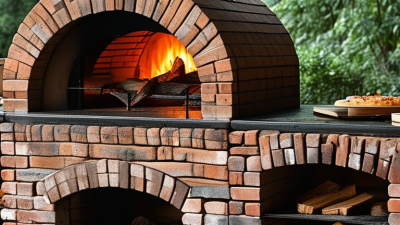
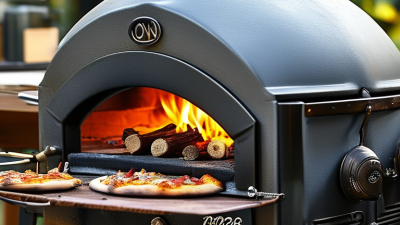
Material selection controls durability, cooking consistency, and safety. Choose dense firebrick for the oven floor and dome. Ordinary clay brick may crack under repeated thermal shock. ASTM C27 classifies refractory products by composition and intended service, but it does not guarantee one universal operating temperature. Ask for the product’s tested temperature rating. Look inside. The cooking chamber should have tightly fitted bricks and refractory mortar, not ordinary cement mortar. Ceramic-fiber or castable insulation reduces heat loss and protects the outer shell. A stainless-steel door and properly sealed flue can also limit moisture entry. However, stainless steel alone does not prove quality.
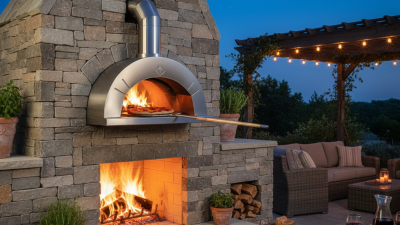
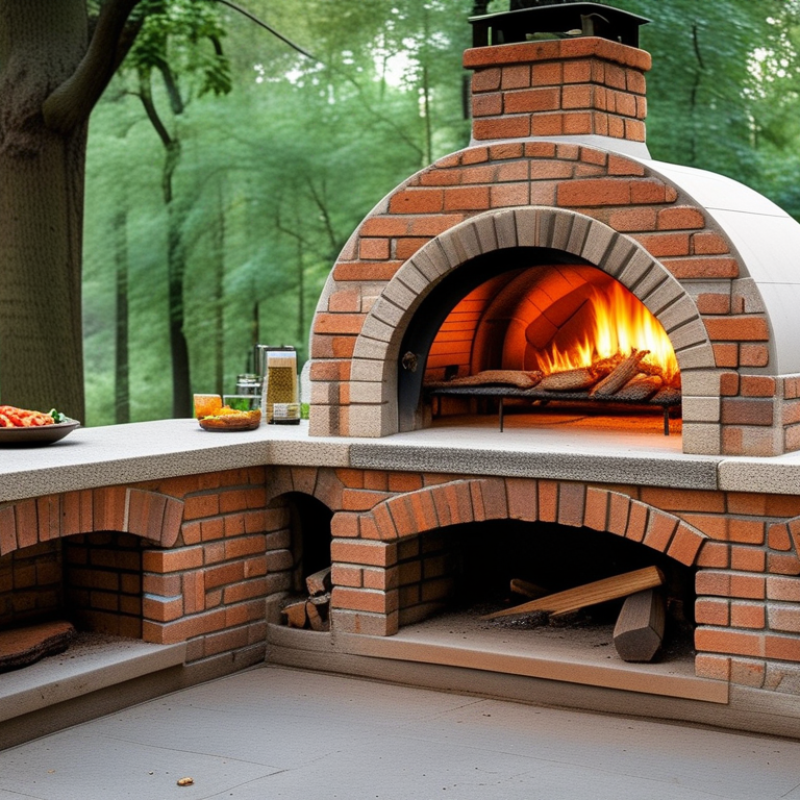
Construction details deserve close inspection. Joints should be narrow and consistent, with no visible voids around the dome. The oven needs an expansion allowance because masonry and metal expand differently. Check the base for drainage, a level foundation, and weather-resistant joints. ASTM C67 testing covers brick absorption, strength, and freeze-thaw performance; request test documentation when the fireplace will face wet or freezing weather. NFPA’s Home Structure Fires report recorded an average of 44,210 heating-equipment fires annually from 2016 to 2020 in the United States. An outdoor oven still needs clearances, spark control, and a stable chimney. I would not trust decorative brick as a heat shield. Color can mislead. A small crack may seem harmless, yet repeated firing can widen it. My inspection would include a slow first burn, temperature checks at the outer wall, and a careful review of the installation instructions.